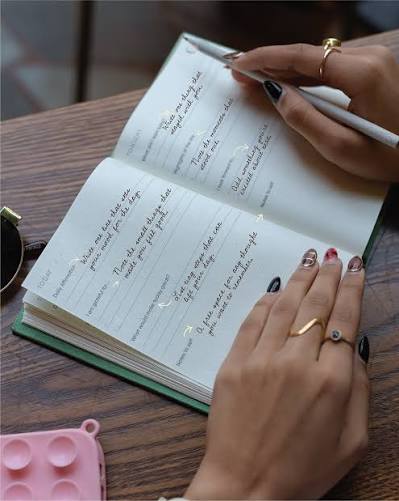
Journaling for mental health is not about writing perfect sentences or achieving a breakthrough every time you sit down. It is about giving your thoughts somewhere to go, outside your head, onto a page where you can actually look at them.
Research on expressive writing, including work by James Pennebaker at the University of Texas, found that writing about emotional experiences for just 15 to 20 minutes can reduce anxiety, lower cortisol levels, and improve overall mood. The mechanism is straightforward: naming what you feel reduces the intensity of it. You shift from reacting to reflecting.
This article gives you 75 mental health journal ideas organized by what you are actually dealing with, not just a long list to scroll past. Whether you are managing anxiety, moving through a hard season, or simply trying to understand yourself better, each section offers prompts you can use today plus brief guidance on when and how to use them.
You do not need a special notebook, a lot of time, or a journaling background. You just need a prompt that meets you where you are.
How To Use Journal Ideas For Mental Health
A journaling practice works best when it has a little structure without feeling rigid. Choosing the right kind of prompt for your mood, knowing when to write freely versus following guided questions, and staying aware of the rumination trap will make your health journal something you actually return to.
How To Pick The Right Prompt For Your Current Mood
Before you open your journal, spend a few seconds checking in with yourself. Are you anxious and spinning? Flat and low? Calm and curious? Your mood is your best guide to which type of prompt will help rather than overwhelm.
When you are activated or anxious, grounding prompts work best. They bring you back to the present moment and slow your nervous system down. When you are feeling emotionally numb or low, gentle prompts that ask for small observations work better than big identity questions.
When you feel relatively steady, that is the best time for deeper self-reflection or expressive writing. The benefits of journaling compound when you match the prompt to your actual state rather than forcing a heavy question on a hard day.
When To Freewrite Vs Use Guided Questions
Freewriting means writing continuously for a set amount of time without stopping to edit or second-guess. It works well when you have a lot of built-up emotion and need to get it out before you can think clearly. Set a timer for 10 minutes and just let it spill.
A guided journal, one that uses specific questions, works better when your mind is too foggy to know where to start, or when you want to explore a specific pattern without wandering. Daily journaling that uses prompts tends to feel less intimidating for beginners.
Use freewriting to release and guided questions to explore. Many people find that a few minutes of freewriting followed by one focused prompt is the most useful combination.
How To Keep Journaling From Becoming Rumination
Rumination is when you replay the same thoughts without moving anywhere new. It is a real risk with journaling, especially around anxiety or grief. The difference between processing and ruminating often comes down to whether your writing is moving toward some kind of meaning or just cycling through the same pain.
A few practical checks: if you are writing the same thing you wrote yesterday without any shift, try switching to a prompt that asks what you want rather than what you fear. Move toward action, curiosity, or self-compassion.
Also, set a time limit. Even 15 to 20 minutes is enough for expressive writing to be effective. Longer is not always better, and stopping on time helps prevent the session from becoming a spiral.
Daily Check-Ins For Emotional Clarity
Daily journaling does not need to be long or complicated. Short, consistent check-ins, whether in the morning, evening, or somewhere in between, build emotional awareness over time and make it easier to catch stress before it stacks up. These daily journal prompts are designed to fit into real life, not an ideal one.
Morning Prompts To Set Intention
Morning journal prompts work by giving your day a small anchor before the noise starts. They do not need to take more than five minutes.
- How am I feeling right now, physically and emotionally?
- What is one thing I want to feel more of today?
- What is already on my mind before the day has even started?
- What would make today feel manageable, not perfect, just manageable?
- What is one thing I can do today that is genuinely good for me?
- Is there anything I am dreading, and can I break it into a smaller piece?
- What do I need to let go of from yesterday before I move forward?
These mindfulness journal prompts are not about optimizing your morning. They are about starting the day with a little self-awareness instead of reacting to everything at once.
Evening Prompts To Reflect And Release
Evening prompts help you close the day instead of carrying it into sleep. A self-care journal used at night can reduce overthinking and interrupt the habit of processing stress right before bed.
- What happened today that I am still holding onto?
- What went better than I expected?
- Was there a moment today when I felt genuinely okay, even briefly?
- What emotion was most present for me today?
- Is there anything I need to forgive myself for from today?
- What do I want to set down before I sleep?
- What am I grateful for, even if today was hard?
Simple Daily Check-Ins For Busy Days
When time is short, a one-sentence answer to a single prompt is still worth doing. Consistency in daily journaling matters more than length.
- Rate your mood from 1 to 10 and write one sentence about why.
- Name one emotion you felt today.
- Write one thing you noticed about yourself.
- What do you need most right now?
- Write down one thing that felt true today.
Even these minimal daily journal prompts build a record of your emotional patterns over time. When you look back across a few weeks, you often see things you could not see in the moment.
Prompts For Anxiety, Stress, And Overthinking
Journaling prompts for anxiety are most useful when they interrupt the thought loop rather than feed it. These prompts are organized to help you ground yourself first, then gently challenge anxious thinking, and finally address the physical experience of stress that often gets ignored. Journaling for anxiety works best when the prompts are specific rather than open-ended.
Grounding Questions For Racing Thoughts
When your thoughts are moving fast, the goal is not to solve anything. The goal is to slow down enough to separate what is real from what your mind is projecting.
- What is actually happening right now, in this moment, not what might happen?
- What are five things I can physically see or touch right now?
- What is the most specific version of what I am worried about?
- What do I know for certain, and what am I assuming?
- When have I felt this level of anxiety before and gotten through it?
- What is one thing within my control right now?
- What would I say to a friend describing exactly this situation?
These journal prompts for mental health function as a kind of cognitive pause button. Putting the specific fear into words on a page tends to make it feel less consuming.
Reframing Prompts For Worst-Case Thinking
These therapy journaling prompts are drawn from cognitive behavioral principles. They do not ask you to pretend everything is fine. They ask you to test your assumptions more honestly.
- What is the worst case I am imagining? How realistic is it, really?
- What is a more likely outcome than the one I keep catastrophizing about?
- What evidence do I have that this will go badly?
- What evidence do I have that it might be okay?
- What am I telling myself about my ability to cope that might not be true?
- If this worst case did happen, what resources would I have?
Soothing Prompts For Body-Based Anxiety
Anxiety lives in the body as much as the mind. Tightness in your chest, shallow breathing, a heavy stomach. These journaling prompts for mental health bring attention to the physical experience, which can reduce its intensity.
- Where do I feel anxiety in my body right now?
- What does it feel like, and has it shifted at all since I started writing?
- What does my body need right now, rest, movement, warmth, stillness?
- When did I last feel physically relaxed, and what was happening?
- What is one small physical thing I could do in the next ten minutes?
Prompts For Self-Discovery And Honest Reflection
Most prompts for self-discovery work best when you approach them with curiosity rather than judgment. The goal is to get to know yourself more accurately, not to critique yourself or arrive at tidy conclusions. These journal prompts cover values, behavioral patterns, and the way you talk to yourself.
Identity And Values Prompts
These journaling prompts for self-discovery help you get clearer on what actually matters to you, separate from what you think should matter.
- What are three values I genuinely live by, not just believe in?
- Where in my life am I living in conflict with my own values?
- What roles do I play for other people that do not quite feel like me?
- What would I do differently if no one was watching or judging?
- What part of myself do I rarely show to others, and why?
- What does success mean to me, not to anyone else?
Self-Reflection Questions For Personal Patterns
These self-reflection journal prompts are about noticing recurring themes, the patterns that show up across relationships, work, and how you respond to stress.
- What pattern keeps repeating in my life that I have not fully addressed?
- When I am stressed, what is my default behavior, and does it help?
- What situations consistently drain me, and what consistently restores me?
- What am I tolerating that I have been telling myself is fine?
- What do I keep almost doing but never commit to?
- What does the version of me from five years ago wish I knew now?
Prompts For Self-Compassion And Inner Dialogue
The way you talk to yourself inside your own head shapes your mental health more than most external factors. These journaling ideas slow that inner dialogue down long enough to examine it.
- What would I say to a close friend going through exactly what I am going through?
- What critical thing do I say to myself that I would never say to someone I love?
- What do I deserve that I keep waiting for permission to receive?
- What is one thing I can genuinely appreciate about myself today?
- What does the kindest version of myself want me to hear right now?
Gratitude And Self-Care Writing Ideas
Gratitude journaling is one of the most researched forms of journaling for mental health. Writing down specific things you are grateful for trains the brain to notice the positive alongside the difficult. These prompts extend beyond simple gratitude lists into self-care and mindfulness territory, making them more useful on complex emotional days.
Small-Moment Gratitude Prompts
Generic gratitude lists lose their power quickly. These gratitude journal prompts keep things specific and rooted in your actual daily experience.
- What small thing happened today that I almost did not notice?
- What is something in my immediate environment right now that I appreciate?
- Who did something kind for me recently, even something minor?
- What does my body do reliably well that I tend to take for granted?
- What mundane thing would I genuinely miss if it were gone?
- What moment from this week am I glad happened?
Gratitude journaling works better when you write about one thing in detail rather than a list of three vague things. Specificity is what activates the emotional response.
Self-Care Prompts That Go Beyond Pampering
Real self-care covers boundaries, needs, rest, and emotional honesty. These self-care journal prompts help you identify what genuine care looks like for you.
- What need of mine has gone unmet this week?
- What have I been doing out of obligation that is actually draining me?
- What would feel like real rest, not just distraction, right now?
- What is something I keep putting off that would reduce my stress?
- What boundary do I know I need to set but keep avoiding?
- What would I do today if I treated myself with the same care I give others?
Mindfulness Ideas To Feel More Present
These mindfulness journal prompts are not about achieving a meditative state. They are about pausing and noticing where you actually are.
- What can I hear, see, and feel right now without moving from this spot?
- What is my body telling me that my mind has been ignoring?
- What am I thinking about when I am supposed to be doing something else?
- What emotion am I feeling in this exact moment?
- What would it feel like to fully arrive in this day instead of rushing through it?
Relationship And Communication Prompts
Journaling prompts for relationships are a genuinely useful tool that often gets overlooked. Writing about the people in your life helps you get clearer on what you need, what is not working, and where your communication patterns come from. These self-reflection journal prompts work for any kind of relationship: romantic, friendship, family, or professional.
Prompts For Boundaries And Emotional Needs
Many people have never clearly identified what they need from relationships. These journal prompts create space to do that without the pressure of a direct conversation.
- What do I need from my closest relationships that I am not currently getting?
- Where in my relationships do I consistently feel overlooked or drained?
- What boundary do I keep letting slide that costs me something?
- What would I ask for if I were sure I would not be judged for it?
- What does it feel like in my body when a boundary is crossed?
- What do I wish people in my life understood about me?
Writing About Conflict, Support, And Trust
Conflict and repair are normal parts of any real relationship. These journal prompts for men and women alike help you work through interpersonal difficulty with more honesty.
- What is a conflict I am still carrying that has not been resolved?
- What is my typical response to conflict, and does it get me what I actually want?
- Who in my life makes me feel genuinely supported, and how do they do it?
- Where have I withdrawn from someone when I actually needed them?
- What would it take for me to feel safe enough to be fully honest with someone?
Questions To Improve Connection With Others
These prompts shift the focus from what others are doing to what you can bring to your relationships.
- How present am I really when I am with the people I care about?
- What is something I have been meaning to say to someone that I keep holding back?
- What would it look like to invest more intentionally in one relationship this month?
- Who in my life deserves more appreciation from me, and what would I say?
- What do I bring to my relationships that I genuinely value in myself?
Prompts For Low Mood, Trauma, And Hard Seasons
These prompts require more care than the others. Journaling prompts for depression and journaling prompts for trauma can be helpful tools, but they work best when used gently, at your own pace, and without pressure to arrive at resolution. The goal here is not to fix anything but to stay connected to yourself during difficult periods.
Gentle Prompts For Depression And Emotional Numbness
When depression flattens everything, big reflective questions often do not land. These prompts are small on purpose.
- What is one thing I managed to do today, no matter how small?
- What would feel like the tiniest possible step toward something better?
- What used to bring me relief that I have stopped doing?
- What does my body need right now, and have I given it any of that today?
- What would I tell someone I love who was feeling exactly this way?
- What am I still here for, even when everything feels flat?
Depression often comes with a critical inner voice that insists nothing will change. Journaling prompts for depression work best when they gently challenge that voice without demanding positivity.
Trauma-Informed Writing Prompts With Caution
Trauma journaling can support healing when approached carefully. These therapy journaling prompts are written to avoid forcing you into material you are not ready for. Move slowly. Stop if you feel flooded.
- What does safety feel like for me? Where or with whom do I feel it?
- What is something I have survived that I rarely give myself credit for?
- What part of my story do I carry that I have never fully put into words?
- What would I want someone to understand about what I went through?
- What does the part of me that is healing need most right now?
If any of these prompts bring up more than you can manage alone, that is important information. Journaling is a complement to professional support, not a replacement for it.
When To Pause Journaling And Seek Extra Support
There are times when journaling alone is not enough, and recognizing those moments is part of using this practice wisely.
If your writing consistently circles the same pain without any sense of movement or relief, if you leave your journal feeling worse rather than clearer, or if the content touches something that feels too big to hold, those are signs that professional support would help. A therapist can hold space for material that is too heavy for a journal.
Journaling is a powerful self-care practice. It is not crisis support. If you are in acute distress, please reach out to a mental health professional or a crisis line rather than relying on journal prompts alone.
Building A Routine You Will Actually Keep
A journaling routine that works is one you can return to even on your worst days, not just your motivated ones. The prompts in this section are low-pressure by design, and the advice is built around what actually makes habits stick rather than what sounds ideal in theory. Consistent, brief journaling beats occasional long sessions almost every time.
Journaling Prompts For Beginners
If you are new to journaling, start with prompts that do not demand too much. These journaling prompts for beginners are accessible enough that you can answer them in two or three sentences and still feel like you did something useful.
- What is one word that describes how I feel today?
- What is something on my mind that I have not said out loud?
- What do I want more of this week?
- What is something small that made me feel something today?
- What would I tell a friend who asked how I really am?
- What am I looking forward to, even a little?
Short answers count. The goal at the beginning is to make the practice feel accessible, not impressive.
How To Create A Low-Pressure Habit
A journaling practice does not require a beautiful journal, a specific pen, or a block of uninterrupted time. It requires a cue, a small action, and consistency.
Tie your daily journal prompts to something you already do. Writing for five minutes after your morning coffee or before you put your phone away at night works better than an ambitious plan with no anchor. Keep your journal visible. Lower the barrier as much as possible.
If you miss a day, that is not a failed routine. It is a normal week. The guided journal approach works best when you treat it like a flexible conversation with yourself rather than a commitment you can break.
Ways To Reuse Prompts Without Getting Stuck
The same journal writing prompts can yield entirely different answers depending on where you are emotionally. Do not worry about repeating prompts. Your answers will change as you do.
One approach: rotate through a small set of five or six core prompts each week rather than hunting for new ones. You can track how your answers shift over time, which itself becomes a form of self-reflection.
If a prompt genuinely does not resonate on a given day, skip it. Try the next one. Journaling should feel like something that helps you, not something else on your list to get right.