Starting a journal sounds easy until you’re staring at a blank page wondering what on earth to write. I’ve been there more times than I can count. Many people imagine journaling requires deep thoughts, perfect handwriting, or life-changing insights. The truth is much simpler.
Journaling is really just a conversation with yourself. It doesn’t need to be profound, organized, or even particularly interesting. The goal is to create a habit that helps you reflect, process emotions, and capture moments from your life.
If you’ve ever opened a notebook and immediately felt stuck, these beginner-friendly journaling ideas can help. They’re simple enough to start today and flexible enough to make journaling feel natural rather than intimidating.
1. Write About Your Day in Three Sentences
One of the easiest ways to begin journaling is to remove the pressure of writing a full page.
Challenge yourself to summarize your day in just three sentences. Mention something that happened, something you felt, and something you learned. That’s it.
This method works because it gives your brain clear boundaries. Instead of wondering where to start, you already know exactly what to write. Over time, those three sentences may naturally turn into longer entries, but they don’t have to.
Even on your busiest days, almost anyone can find two minutes to write three simple sentences. Consistency matters far more than length.

2. Make a Gratitude List
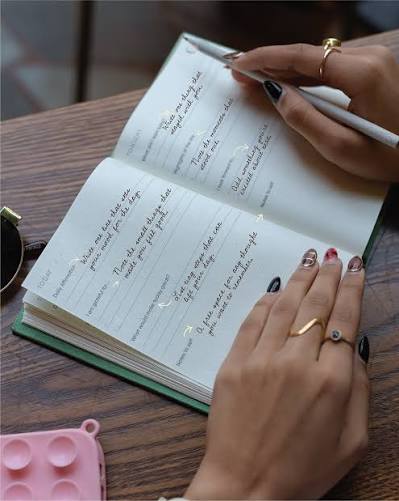
Gratitude journaling remains popular for a reason.
Each day, write down three to five things you’re thankful for. They don’t need to be extraordinary. In fact, the smaller details are often the most meaningful.
You might appreciate a good cup of coffee, a conversation with a friend, a sunny morning, or finishing a task you’ve been putting off.
Over time, this practice trains your mind to notice positive moments that might otherwise go unnoticed. It also creates a collection of memories you can revisit whenever you need encouragement.
3. Answer the Question: “How Am I Feeling Right Now?”
Many beginners struggle because they don’t know what topic to choose.
Instead of searching for a topic, focus on your current emotions.
Ask yourself:
- How am I feeling?
- Why do I think I feel this way?
- What happened today that influenced these feelings?
You don’t need perfect answers. The act of exploring your emotions often brings clarity all by itself.
4. Write a Brain Dump
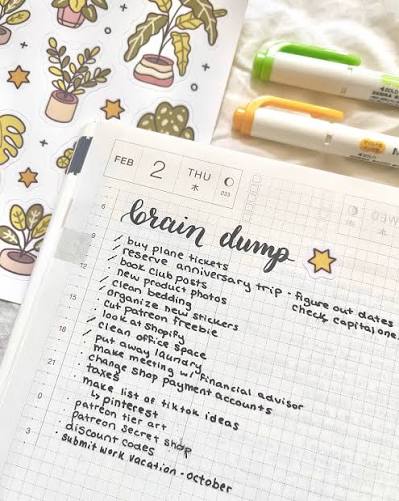
Sometimes your thoughts feel crowded and noisy.
A brain dump is exactly what it sounds like: transferring every thought in your head onto paper.
Write about:
- Tasks you need to do
- Things you’re worried about
- Random ideas
- Questions
- Goals
- Frustrations
Don’t organize anything. Don’t edit. Just let the words flow.
Many people find that brain dumping reduces stress because it frees mental space that was being occupied by endless reminders and worries.
5. Record One Small Win
It’s easy to focus on everything that’s unfinished.
Instead, dedicate a journal entry to one small victory from your day.
Maybe you:
- Went for a walk
- Finished a project
- Drank more water
- Made a difficult phone call
- Got out of bed despite feeling exhausted
Small wins build confidence. Writing them down helps you recognize progress that might otherwise be overlooked.
6. Create a “Currently” List
This is one of my favorite low-pressure journaling ideas.
Finish these statements:
- Currently reading…
- Currently watching…
- Currently learning…
- Currently loving…
- Currently struggling with…
- Currently excited about…
The format is simple, but it captures a fascinating snapshot of your life at a particular moment.
7. Describe Your Ideal Day
Imagine a completely ordinary but wonderful day.
What time would you wake up?
What would you eat?
Who would you spend time with?
How would you feel?
This exercise isn’t about fantasy. It’s about discovering what genuinely matters to you and identifying habits that could make your real life more satisfying.
8. Write About a Favorite Memory
When inspiration disappears, look backward.
Choose a memory that makes you smile and describe it in detail.
Think about:
- Where you were
- Who was there
- What you saw
- What you heard
- How you felt
You’ll not only fill a journal page but also preserve memories that may fade over time.

9. List Things That Make You Happy
Create a running collection of simple joys.
Examples include:
- Fresh sheets
- Rainy afternoons
- Long walks
- Good books
- Favorite songs
- Homemade meals
This list becomes a valuable reminder whenever you’re feeling overwhelmed or discouraged.
10. Write a Letter to Your Future Self
Imagine yourself one year from now.
Write about:
- Your current goals
- What you’re worried about
- What you’re hoping will happen
- Advice you want your future self to remember
Reading these letters later can be surprisingly powerful.
11. Reflect on Something You Learned Today
Learning doesn’t have to happen in a classroom.
Maybe you learned:
- A new recipe
- A life lesson
- A productivity tip
- Something about yourself
Recording lessons helps reinforce growth and encourages curiosity.
12. Describe Your Current Season of Life
Every period of life has its own challenges and rewards.
Write about what this chapter feels like.
Consider:
- Your priorities
- Your relationships
- Your routines
- Your dreams
- Your obstacles
This type of journaling creates a meaningful record of your personal journey.
13. Make a Simple Bucket List
A bucket list doesn’t need to contain extreme adventures.
Include anything you’d like to experience someday.
Examples:
- Visit a new city
- Learn a language
- Start a garden
- Read fifty books in a year
- Take a cooking class
The process itself can reveal goals you hadn’t fully acknowledged.
14. Write About a Challenge You’re Facing
Journaling can help untangle difficult situations.
Describe the challenge.
Then answer:
- What exactly is bothering me?
- What can I control?
- What can’t I control?
- What is one next step?
Often the solution becomes clearer once it’s written down.
15. Document Your Morning Thoughts
Keep your journal near your bed.
When you wake up, write whatever comes to mind before checking your phone.
Morning entries are often surprisingly honest because they haven’t yet been filtered by the demands of the day.
16. Create a Monthly Favorites List
At the end of each month, record your favorites.
Include:
- Books
- Movies
- Podcasts
- Foods
- Experiences
- Purchases
Years later, these entries become fun time capsules.

17. Write About Someone You Appreciate
Choose a person who has positively impacted your life.
Describe:
- What they mean to you
- What qualities you admire
- Something they’ve done that helped you
This practice naturally shifts your attention toward meaningful relationships.
18. Capture a Conversation You Want to Remember
Interesting conversations disappear quickly from memory.
After a meaningful discussion, write down:
- What was said
- What stood out
- How it made you think differently
You’ll be surprised how valuable these records become over time.
19. Answer a Simple Daily Prompt
When you’re completely stuck, ask yourself one question.
Examples include:
- What made me smile today?
- What challenged me today?
- What am I looking forward to?
- What would make tomorrow better?
One question is often all you need to get started.
20. Track Your Energy Levels
Instead of focusing only on productivity, observe your energy.
Write about:
- When you felt most energized
- When you felt drained
- What activities affected your mood
Patterns often emerge that can improve your routines and habits.
21. Write About a Place You Love
Describe a favorite location in as much detail as possible.
It could be:
- A beach
- A coffee shop
- Your childhood home
- A hiking trail
- Your favorite room
Use sensory details to bring the place to life.
This exercise strengthens observation skills while creating vivid journal entries.
22. Keep a “Lessons Learned” Page
Dedicate a page to lessons you discover throughout the year.
Examples might include:
- Rest is productive.
- Not every opportunity is worth pursuing.
- Progress is rarely linear.
- Consistency beats motivation.
Over time, this page becomes a personal guidebook.
23. List Things You’re Looking Forward To
Anticipation can be incredibly motivating.
Write down upcoming events, no matter how small.
Perhaps you’re excited about:
- A weekend trip
- A movie release
- Meeting a friend
- A holiday
- Finishing a project
Looking ahead helps create optimism and momentum.
24. Describe Your Dream Home
This prompt combines creativity with self-discovery.
Write about:
- Location
- Style
- Rooms
- Views
- Atmosphere
The details often reveal values and priorities you may not have consciously recognized.

25. Make a List of Things You Want More Of
Finish the sentence:
“I want more…”
Examples include:
- Peace
- Adventure
- Creativity
- Confidence
- Time outdoors
- Meaningful conversations
Then ask yourself what small action could help bring more of those things into your life.
This prompt transforms journaling from simple reflection into practical self-improvement.
Getting Started Without Overthinking It
The biggest mistake beginners make is believing they need something important to say before they can journal. In reality, journaling is often what helps you discover what matters in the first place.
Start small. Pick one idea from this list. Write for five minutes. Skip perfect grammar, perfect structure, and perfect thoughts. Your journal doesn’t need to impress anyone because it’s for you.
Some days you’ll write a page. Other days you’ll write a single sentence. Both count. The goal isn’t creating a masterpiece—it’s creating a habit that helps you understand yourself a little better every day.
The more often you show up to the page, the easier it becomes to find something worth writing about. Soon, that blank page won’t feel intimidating at all—it will feel like a place where your thoughts finally have room to breathe.