A useful vision board turns a vague wish into a visible cue for a specific choice. “More freedom” becomes a savings number, “better health” becomes a weekly movement target, and “travel more” becomes a dated booking plan.
The strongest goals also connect with how you want your life to feel. Use images, words, numbers, and dates that remind you why the goal matters, then pair each visual with a behavior you can practice. These 15 vision board goal ideas give you practical prompts across the areas that shape your daily life.
How to Choose Goals Worth Putting on Your Board
Choose goals that feel personally meaningful, specific enough to recognize, and connected to an action you control. A focused board with a few clear priorities gives you more direction than a crowded collage of attractive possibilities.
Use the Specificity and Emotional-Resonance Test
Ask two questions for every idea: “What would success look like?” and “Why do I want it?” Add a number, date, place, frequency, or defined milestone to the visual. Then include the feeling behind it, such as calm, capable, connected, or adventurous.
For example, replace a picture of a luxury home with “Create a quiet reading corner by June” if peace and personal space are what you want. A board focused on meaningful, realistic goals benefits from the same clarity recommended in practical vision board prompts.
Pair Each Outcome With a Next Action
Put a small action beside every major image. “Earn $10,000 more” needs a step such as updating your résumé, requesting a meeting, or completing a certification module. “Run a 10K” needs a training schedule and a first workout.
Write actions as verbs you can complete within the next week. This keeps visualization connected to planning, a combination also emphasized in guidance on turning vision boards into action.
Career and Money Goals
Career and money goals work best when you show the measurable result and the professional or financial behavior that supports it. Choose visuals that represent the kind of work and freedom you want, then add precise targets.
Picture Your Ideal Role, Skill, or Business
Choose an image that represents your desired work environment, responsibilities, or schedule. Add a phrase such as “Lead a six-person design team by December,” “Move into project management,” or “Launch my bookkeeping service with five clients.”
Attach one next step to the image. You might schedule an informational interview, revise your portfolio, or spend two focused hours each Saturday developing a needed skill. Career-focused boards commonly organize goals around purpose, advancement, and specific professional growth by life area.
Set a Precise Income, Savings, or Debt-Payoff Target
Write the exact figure and deadline on the board. Examples include “Save $6,000 for an emergency fund by March 31,” “Pay off $3,500 in credit-card debt,” or “Reach $75,000 in annual income.”
Pair the number with a behavior, such as automating a weekly transfer, reviewing spending every Friday, or applying to two suitable roles each month. The visual should remind you where your money is going and what decision comes next.
Visualize the Freedom Your Financial Goal Creates
Show the practical life change behind the number. A photo of flexible work hours might represent school pickup, while an image of a paid-off car could represent fewer monthly obligations.
Write the resulting routine in concrete terms: “Take Fridays off in July,” “Work remotely from home three days a week,” or “Choose a job based on fit after building a six-month cushion.” This keeps financial progress connected to a life you value.
Health and Well-Being Goals
Health goals become easier to act on when you define a measurable milestone and design a routine that supports energy, rest, and enjoyment. Select goals that respect your current circumstances and your reasons for pursuing them.
Choose a Measurable Fitness Milestone
Use a target that gives you useful feedback, such as walking 8,000 steps on five days each week, completing a beginner strength program, or finishing a 5K on October 10.
Add the first appointment or workout to your action list. You could schedule a physical, choose a training plan, or place two movement sessions on your calendar. Use images that suggest capability and enjoyment, not a single body standard.
Make Healthy Eating and Rest Feel Realistic
Represent the routines that help you feel steady. Add a Sunday meal-prep container, a water bottle, a bedtime of 10:30 p.m., or “cook at home four nights weekly.”
Connect the image to one environmental change. Keep easy breakfast ingredients available, set a phone charging station outside your bedroom, or plan a screen-free wind-down period. Calm wellness boards often combine meal planning, self-care, and gratitude with practical health goals.
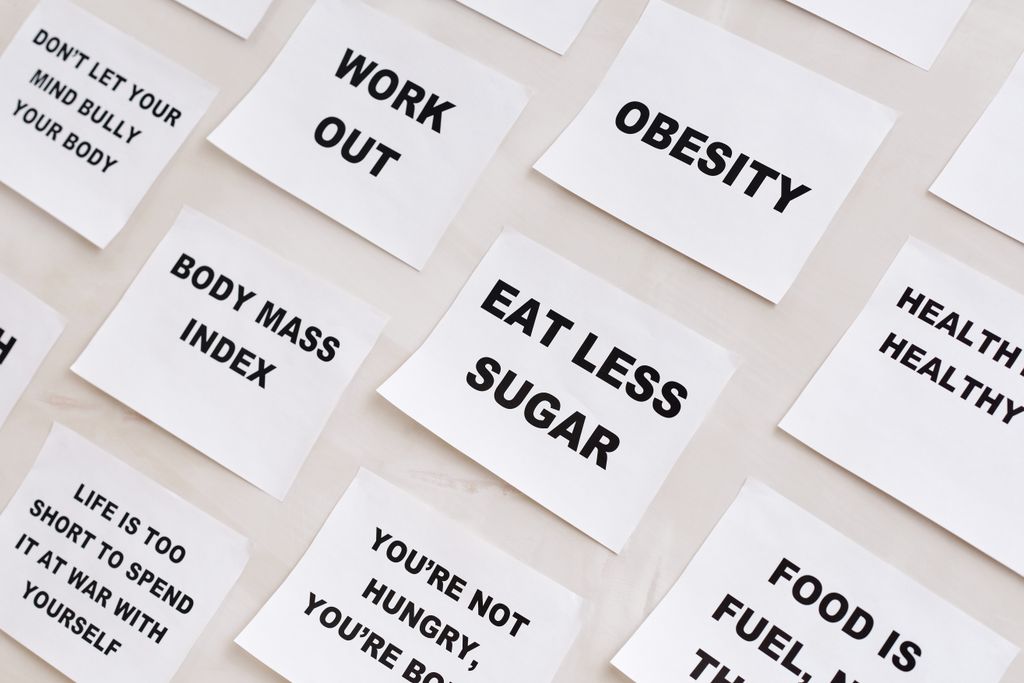
Relationships and Home Goals
Relationship and home goals should show how you want to participate, communicate, and live in your space. Use scenes that represent shared time and daily function, then define the behavior that creates them.
Represent the Connections You Want to Nurture
Choose a relationship goal you can influence, such as calling a sibling every Sunday, planning one date night each month, or hosting a family dinner quarterly.
Add words describing the quality you want to bring, such as patience, attention, or warmth. Your next action might be sending an invitation, setting a recurring calendar reminder, or asking someone what kind of time together feels meaningful. Shared boards can help partners turn future plans into visible conversation points through collaborative goal setting.
Create a Picture of a Calmer, More Functional Home
Show one specific improvement instead of an entire lifestyle makeover. Try “Clear the entryway by February 15,” “Create a guest-ready office,” or “Finish the bedroom lighting project.”
Choose a photo, color, or room detail that reflects the atmosphere you want. Then list the first task, such as measuring the space, donating one box, or setting a $300 project budget.
Personal Growth and Learning Goals
Personal growth goals become actionable when you connect the identity you want to practice with a skill, project, or confidence-building experience. Let your board show progress in a form you can observe.
Build the Identity You Want to Grow Into
Choose a quality and attach it to a repeatable behavior. “Become more confident” might become “Speak once in every team meeting,” while “Be more organized” could become “Plan the next day before closing work.”
Use a phrase that describes your participation: “I prepare,” “I ask,” or “I follow through.” Add a first rehearsal, meeting, or planning session so the identity has a place to develop.
Feature a Course, Creative Project, or Confidence Goal
Set a clear completion point, such as finishing an eight-week course by November, publishing 12 newsletter issues, or displaying three paintings at a local event.
Include the project materials or setting in your collage. A laptop, studio desk, library, or microphone makes the goal more tangible. Schedule the first work block and track completed sessions in a notebook or calendar.
Travel, Fun, and Life Experiences
Experience goals need a date, budget, or reservation step so they move from appealing imagery into your calendar. Include everyday enjoyment alongside major adventures.
Turn a Dream Trip Into a Dated Plan
Add the destination, travel month, estimated budget, and one planning action. For example, write “Visit Seattle in September, $1,200 budget” and “Compare flights on January 15.”
You might also show the experience you want from the trip, such as hiking, visiting museums, or sharing time with relatives. Travel planning advice frequently pairs destination inspiration with concrete desires and actions for making a vacation happen.
Make Room for Hobbies, Play, and Meaningful Memories
Choose a repeatable activity such as taking a pottery class in spring, playing tennis twice monthly, or scheduling one screen-free Saturday each month.
Add the person, place, or feeling connected to the activity. Your first step could be checking class dates, buying basic supplies, or inviting a friend. A board that includes modest pleasures gives you prompts for the weeks between larger milestones.
How to Make Your Vision Board Guide Daily Action
Make your board useful by placing it where you will see it during planning and attaching each image to a behavior you can schedule, complete, or track. Review it briefly, then let your calendar and routines carry the work.
Keep the Board Focused and Visible
Choose five to eight priority goals if a full-life board starts to feel crowded. Give each goal a short label with its number, date, or next action, such as “Save $6,000 by March” or “Strength train Tuesday and Saturday.”
Place the board near your desk, closet, planner, or phone lock screen. A digital board works well when you want quick access, while a physical board offers a strong visual presence. Tools such as a drag-and-drop online vision board maker support either images or text-based layouts.
Refresh Goals as Your Priorities Change
Review your board at the start of each month and mark completed, delayed, or changed goals. Replace an image when the goal no longer fits your circumstances, and keep a record of progress before moving on.
Choose one action for the next seven days after each review. That might be transferring money, booking a class, making a call, or reserving a block of creative time. Your board stays relevant when it reflects the life you are actively scheduling.