A vision board gives your goals a visible home. With a few meaningful images, handwritten words, and reminders of the life you want to build, you can turn a broad dream into something easier to revisit each day.
These 16 DIY vision board examples to try cover career, money, wellness, relationships, home, travel, and personal growth. Each idea includes a visual direction and a small action, so your board supports focus and reflection while you work toward your goals.
You can build a physical collage with magazine cutouts or create a digital vision board on your phone. Start with the goal that feels most useful now, then make the colors, textures, and language yours.
How to Create a Board That Feels Personal
The best vision board starts with self-reflection, turns personal goals into visual cues, and leaves room for practical action. A board can support visualization and motivation while you build clarity around your life goals.
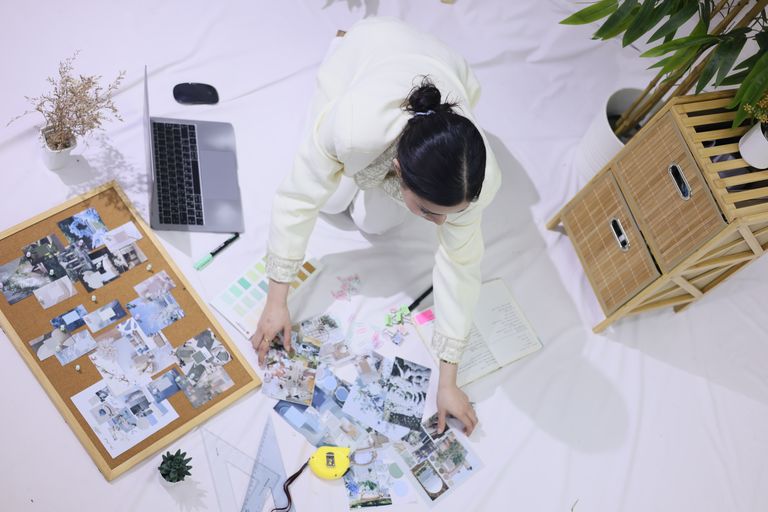
A useful step-by-step approach to creating a vision board begins with choosing a theme, gathering meaningful material, and arranging the pieces around your intentions. Give yourself permission to edit as your priorities change.
Choose Between a Physical and Digital Vision Board
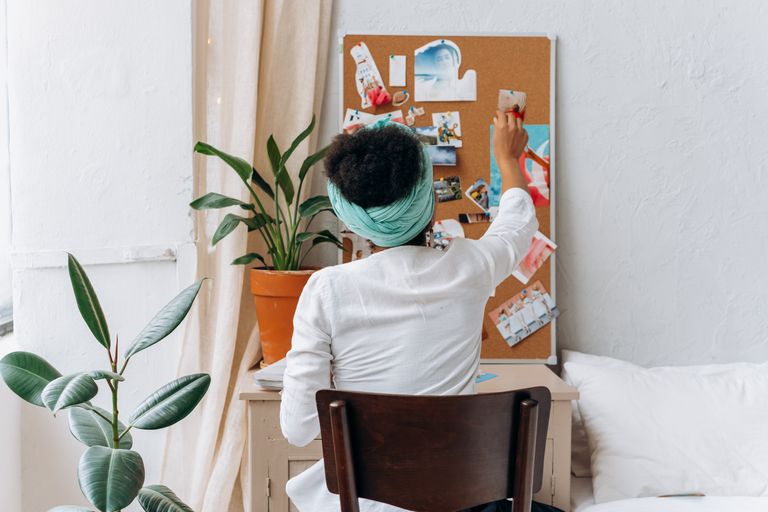
Choose a physical vision board when you want a hands-on creative ritual and a permanent reminder in your home. Poster board, a corkboard, or a framed collage works well near your desk, dresser, or entryway.
Choose a digital vision board when you want easy updates and access during your daily routine. Canva offers free vision board templates that you can customize with photos, graphics, colors, and text.
A physical board invites texture through paper, fabric, paint, and washi tape. A digital board lets you create separate screens for career goals, wellness, travel, or affirmations.
Brainstorm Goals Before You Collect Images
Begin with a short brainstorming session. Write down what you want to experience, learn, protect, or change over the next year, then circle the goals that feel meaningful and actionable.
Self-reflection worksheets help when “dream life” feels too broad. Sort your notes into areas such as work, money, health, relationships, home, creativity, and rest.
Choose a few personal goals that fit your current season. A goal board with five focused themes gives you clearer direction than a crowded collection of every possible wish.
Match Images, Words, and Affirmations to Your Intentions
Select images that show a feeling, behavior, or environment connected to your goal. A photo of a calm desk might represent protected focus, while a trail map could prompt you to schedule weekend movement.
Add affirmations, vision board quotes, motivational quotes, or inspirational quotes in language you would use yourself. “I make space for focused work” feels more personal and practical than a grand statement that does not sound like you.
For manifestation, treat each image as a reminder of your choices and values. Pair every major visual with a small step, such as sending one application, transferring money to savings, or practicing ten minutes of yoga.
Career and Money Board Examples
Career and money boards work best when they connect ambition with visible next steps, such as skill-building, saving, networking, or improving your workspace. Use images that show the work and lifestyle you want to support.
You can combine a career vision board with a financial vision board if your professional goals and financial goals are closely linked. Keep the layout readable with sections for career growth, savings goals, personal development, and daily work habits.
Dream Job and Career Growth Board
Purpose: Give your dream job a clear shape and identify the skills that support career success.
Visual direction: Use photos of the kind of work environment you want, examples of projects, a title that reflects your professional goals, and words such as “learn,” “lead,” or “create.”
Small action: Choose one skill from the board and schedule a focused learning session this week. Add a course, book, portfolio sample, or mentor conversation to make the direction concrete.
Financial Freedom and Savings Goals Board
Purpose: Turn financial freedom and financial independence into visible saving behaviors.
Visual direction: Include a simple savings thermometer, a picture representing your desired lifestyle, a debt-payoff reminder, and a phrase such as “money with purpose.” Keep the design calm and uncluttered.
Small action: Set one automatic transfer or review one recurring expense. Your board should point toward a specific savings goal, not create pressure to chase an undefined number.
Creative Business and Passive Income Board
Purpose: Encourage steady progress on a creative business, digital product, or passive income project.
Visual direction: Combine digital art, product mockups, packaging textures, customer notes, and a visual schedule for making and publishing. Use colors that make you want to sit down and create.
Small action: Block one hour to outline, design, list, or promote one offer. A small publishing rhythm gives the images a practical role.
Professional Success and Dream Workspace Board
Purpose: Define the conditions that help you do your best professional work.
Visual direction: Add a comfortable desk, useful tools, natural light, organized files, and words describing the way you want to work. Include a professional milestone such as a presentation, promotion, or leadership opportunity.
Small action: Improve one part of your workspace or calendar. Clear one surface, protect a focus block, or prepare the document that supports your next opportunity.
Wellness and Personal Growth Board Examples
Wellness boards become more useful when they reflect routines you can repeat, including rest, movement, nourishing meals, mindfulness, and self-care. Let the visuals feel supportive instead of demanding.
Use a personal growth vision board to connect health goals with emotional and spiritual growth. Images of quiet mornings, supportive friendships, journaling, or nature can sit alongside fitness goals and self-improvement prompts.
Health, Fitness, and Yoga Board
Purpose: Create a friendly reminder of the movement and care that support your health and wellness.
Visual direction: Use images of yoga poses, walking routes, strength exercises, colorful meals, water, and comfortable clothing. Add a weekly movement target in handwriting.
Small action: Put one class, walk, or home workout on your calendar. Choose an activity you enjoy enough to repeat.
Self-Care and Mindfulness Board
Purpose: Protect time for rest, mindfulness, and activities that restore your attention.
Visual direction: Build a soft palette with tea, books, baths, candles, quiet rooms, nature, and a short self-care affirmation. Leave open space so the board itself feels calm.
Small action: Create a ten-minute evening ritual. You might stretch, journal, silence notifications, or practice breathing before bed.
Self-Love and Confidence Board
Purpose: Strengthen self-love and confidence through reminders of your values and abilities.
Visual direction: Add words that describe how you want to treat yourself, photos that make you feel at ease, personal achievements, and affirmations such as “I speak to myself with respect.”
Small action: Write down one recent accomplishment or set one clear boundary. Place the note where you will see it during your routine.
Personal Growth and Spiritual Growth Board
Purpose: Give self-discovery, gratitude, and spiritual growth a visible place in your plans.
Visual direction: Use sunrise colors, meaningful symbols, journal pages, books, landscapes, and prompts such as “What am I learning?” or “What deserves my attention?”
Small action: Start a short gratitude practice or reserve time for reflective writing once this week. Keep the prompt specific enough to answer in a few minutes.
Relationships, Home, and Adventure Board Examples
Boards for relationships, home, and adventure help you picture the experiences and connections that make your dream life feel grounded. Focus on shared values, everyday rituals, and destinations that inspire meaningful action.
Use images that represent how you want to feel with people and in your spaces. A little clarity around family goals, friendships, travel, and home life gives your broader life goals a warmer direction.
Relationship Goals and Meaningful Friendships Board
Purpose: Clarify the qualities and habits you want to bring into relationships and friendships.
Visual direction: Add dinner tables, handwritten notes, shared hobbies, nature walks, and words such as “honesty,” “play,” or “presence.” Include space for both romantic relationship goals and friendships if both matter to you.
Small action: Send one message or schedule one plan with someone you value. Make the board point toward connection you can practice now.
Family Connection Board
Purpose: Support family goals through shared time, communication, and traditions.
Visual direction: Include recipes, celebrations, family activities, cozy rooms, and phrases that describe the atmosphere you want at home. Personal photographs make this board especially meaningful.
Small action: Choose one recurring family ritual, such as a weekly call, shared meal, or monthly outing. Put it on your calendar before the week begins.
Dream Home and Intentional Living Board
Purpose: Shape a dream home around the way you want to live each day.
Visual direction: Collect rooms, lighting, storage ideas, plants, colors, and objects that reflect your priorities. Add a few words about how you want your home to feel, such as “welcoming,” “quiet,” or “easy to maintain.”
Small action: Improve one small area using what you already own. Clear a drawer, rearrange a reading corner, or make a donation box.
Travel Bucket List Board
Purpose: Turn a travel vision board into a focused bucket list with destinations and experiences you can plan.
Visual direction: Use maps, transit tickets, landscapes, local food, cultural activities, and a short list of places. Add a season or trip style to bring clarity to each idea.
Small action: Research one destination’s timing, budget, or required documents. Create a travel savings category for the trip that feels most important.
Creative Formats and Design Directions
Creative formats let you choose a board that fits your space, schedule, and energy. A mood board can be broad and atmospheric, while a mini vision board or printable vision board keeps one priority close at hand.
You can use Canva’s online vision board maker for a digital layout, print a collage for your wall, or save a board as your phone background. Pinterest can help you gather visual references, while your own photos and handwriting make the result personal.
Minimalist Mood Board
Purpose: Create clarity when a crowded collage makes you feel distracted.
Visual direction: Choose one background color, a small group of images, and a few words. Leave generous space between elements and repeat one visual detail, such as a warm neutral tone or a simple line.
Small action: Place one priority in the center and write the next appointment, task, or habit beside it.
Mini Vision Board for a Planner or Desk
Purpose: Keep one short-term goal visible during your workday.
Visual direction: Use a postcard, index card, planner page, or small corkboard. Add a tiny image, a handwritten phrase, and a checklist with a few steps.
Small action: Review the card when you begin your daily routine and mark one task that moves the goal forward.
Printable Quote and Affirmation Board
Purpose: Build a text-led board when words guide you more effectively than photographs.
Visual direction: Choose vision board quotes, affirmations, and inspiring quotes that sound natural in your voice. Print them in two or three font sizes, then add small icons, borders, or hand-colored details.
Small action: Select one phrase as your weekly focus and place it beside the habit it supports. Printable templates can provide a starting structure; free vision board printables and templates also suit planners and smaller spaces.
Digital Vision Board in Canva or Pinterest
Purpose: Create an editable board you can carry on your phone or computer.
Visual direction: Divide the layout into panels for work, wellness, relationships, travel, or home. Use your own photos, saved references, digital stickers, and a consistent color palette.
Small action: Set the finished board as a lock screen or desktop background, then review it during your weekly planning. Remove images that no longer fit.
Supplies and Habits That Keep Your Vision Visible
A useful vision board needs accessible supplies and a repeatable review habit. Gather an inexpensive base, choose images with intention, and connect each visual to a short-term goal in your calendar.
A basic setup can cost $10 to $25 when you use a board surface, adhesives, image sources, and decorative materials already available at a craft or dollar store, as described in this practical supply guide. Your board does not need a polished studio setup to become useful.
Essential Vision Board Supplies for a Physical Board
Start with the surface that suits your space and style:
- Poster board for a lightweight collage
- Foam board for a sturdier display
- Corkboard for changeable images and notes
- Magazine cutouts, printed photos, or personal snapshots
- Scissors and glue or removable adhesive
- Markers, pens, and letter stickers
- Washi tape, colored paper, fabric scraps, or watercolor accents
- A ruler for clean sections
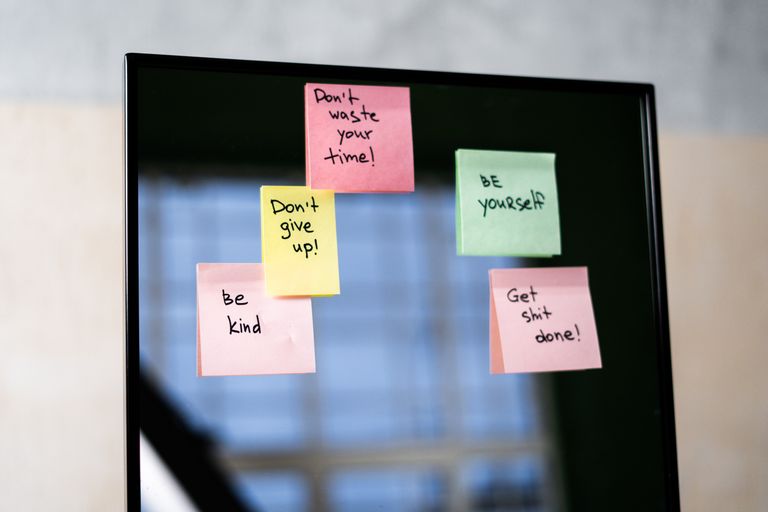
- Sticky notes for goals you expect to update
Lay out your pieces before gluing anything. Keep the images that create an immediate emotional response, add your own handwriting, and leave enough breathing room for the board to remain readable.
How to Turn Visual Inspiration Into Weekly Action
Review your board once a week and choose one image that deserves a next step. Translate it into a calendar action, such as saving a set amount, practicing a skill, making a call, or taking a restorative break.
Use sticky notes to pair broad intentions with short-term goals. A picture of a dream workspace might lead to clearing your desk; a travel image might lead to opening a savings account or checking passport dates.
Keep the board where your daily routine naturally brings you past it. During your weekly review, refresh outdated notes, celebrate completed steps, and move the next small action into your schedule.