A body vision board gives your health goals a visible, personal shape. When you connect images with small daily actions, visualization becomes a practical cue for movement, nourishing food, rest, and self-respect.
Your board can support a fitness vision board focused on strength, energy, confidence, or a meaningful wellness journey. Use it to remember how you want to feel in your body, then pair that motivation with realistic routines, appropriate professional guidance, and patience with your starting point.
How to Make a Body Vision Board That Motivates You
A motivating body vision board connects your fitness goals to specific feelings and repeatable habits. Choose a few vision board ideas, collect images through Pinterest, and arrange them in Canva’s vision board maker or on a physical board you pass each day.
Write a measurable cue beside each theme, such as “walk for 20 minutes four days a week” or “prepare lunch at home twice this week.” Visualization supports motivation when it points you toward action.
Choose Goals Based on How You Want to Feel
Start with words such as strong, energized, steady, mobile, rested, or confident. Add an image that represents each feeling and pair it with one behavior that moves you closer to it.
For example, “energized” might connect to a morning walk, while “calm” might connect to a consistent bedtime. Add affirmations such as “I keep promises to my body” or “Small steps count,” then review your chosen habit every Sunday.
Use Images That Inspire Rather Than Compare
Select images of movement, supportive clothing, accessible workouts, peaceful meals, and people enjoying active lives. A collection of body-focused board ideas can help you gather visual prompts while you choose pictures that feel encouraging and attainable for you.
Leave out images that trigger shame or make one body type seem like the requirement for a healthy lifestyle. Track how each image affects your mood, and replace anything that creates pressure.
Pick a Physical or Digital Format You Will See Daily
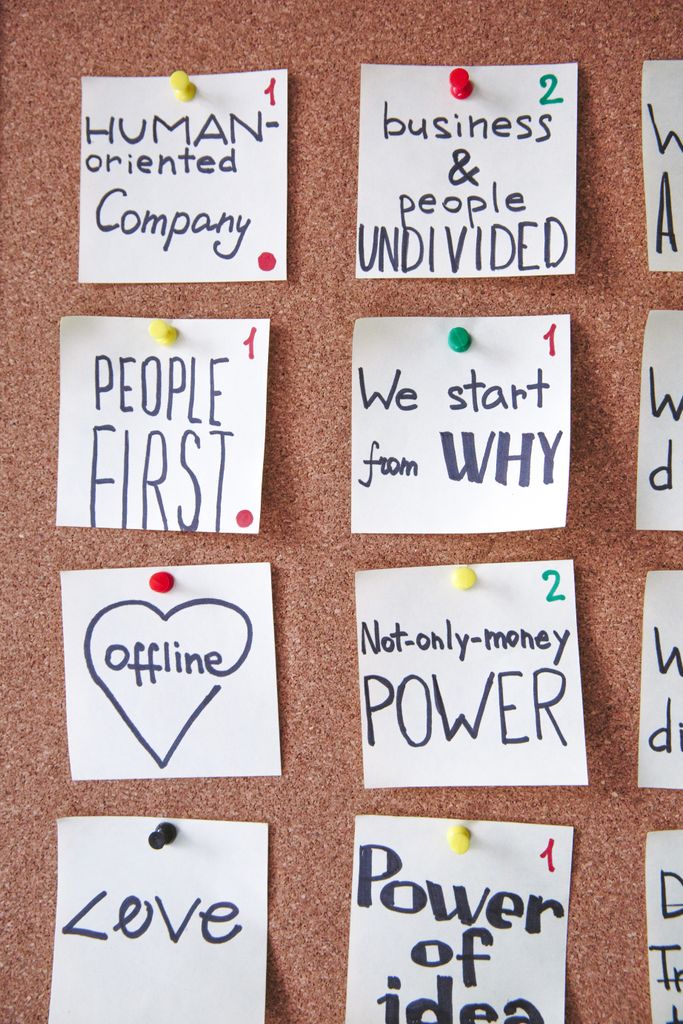
A corkboard near your closet works well if you like tactile reminders. A digital collage makes a useful phone wallpaper, especially when you want your goals visible before your first scroll.
Use a simple layout with one image, one affirmation, and one action for each priority. Check off the action in a notes app or on a small card beside the board.
Build Strength and Confidence
Build your board around capability by showing the strength, exercise skills, and posture changes you want to practice. Images of push-ups, stable core positions, confident stance, and a meaningful fitness milestone keep performance connected to everyday confidence.
Choose targets that fit your current ability and adjust them as your body adapts. A trainer or qualified health professional can help you select safe progressions for your needs.
Celebrate Everyday Strength
Create a “strength in daily life” theme with images of carrying groceries, climbing stairs, lifting a child, gardening, or getting up from the floor. These prompts honor practical progress across different bodies and abilities.
Add a cue such as “notice one capable moment each day.” Record examples in your phone, including easier stairs, steadier balance, or improved confidence with household tasks.
Train for Push-Ups and Core Strength
Use a push-up image with a progression ladder: wall push-ups, incline push-ups, knee push-ups, and full push-ups. Pair it with a schedule such as two short strength sessions each week and a note to stop when form breaks down.
For core strength, add visuals of controlled dead bugs, planks, or carries. Track repetitions, hold time, or form quality once a week so your board reflects performance instead of appearance alone.
Visualize Muscle Definition and Better Posture
Choose images showing relaxed, strong posture and functional muscle definition that feels meaningful to you. Add a posture cue such as “ribs stacked over hips” during work breaks, plus two mobility sessions each week.
Mark a fitness milestone when you complete a month of consistent training, lift with better control, or notice less slouching. Progress photos can remain optional and private, with the focus placed on how you move and feel.
Move in Ways You Actually Enjoy
Your movement theme should feature activities you look forward to, from yoga and stretching to hiking, swimming, or dancing. Enjoyment makes it easier to place movement inside a daily routine you can repeat.
Use one visual for pleasure, one for skill, and one for adventure. Write the smallest scheduled step beside each image, such as a ten-minute stretch or a weekend walk.
Create a Yoga and Flexibility Theme
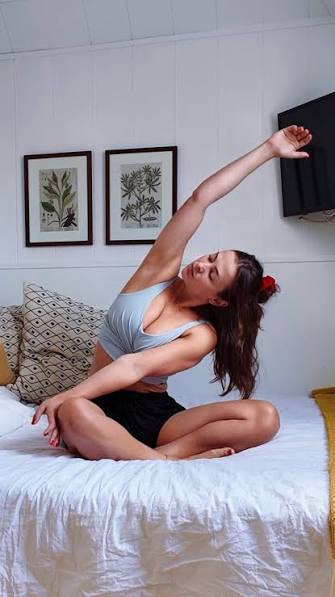
Add images of yoga poses, relaxed stretching, and comfortable range of motion. Choose a gentle target, such as ten minutes of stretching after two workouts each week, and include a reminder to breathe smoothly.
Track how your body feels before and after practice with a one-word note. Improvements might include easier reaching, less stiffness, or greater comfort sitting on the floor.
Plan Outdoor Activities and Adventures
Build an outdoor activities panel with trail views, a local park, a bike path, or water that makes you want to explore. Pair each image with a plan, such as visiting one new trail this month or taking two outdoor walks each week.
Keep a small adventure log with the date, activity, and energy level. If weather, mobility, or access changes your plan, choose an indoor equivalent and keep the cue active.
Set an Endurance Challenge
Pick an endurance goal that matches your interests, whether that means swimming continuous laps, completing a long hike, or preparing for a marathon. Break the image into milestones, such as adding five minutes to one weekly session when your body is ready.
Record duration, distance, or recovery after each key workout. A coach or medical professional can help you plan safely for a demanding event.
Fuel Your Energy and Healthy Weight Goals
Create food and hydration visuals that support steady energy, nourishing food, and well-being. Your board can encourage a healthy weight through satisfying meals and consistent habits without turning eating into punishment.
Use images of foods you enjoy, a filled water bottle, and a calm table setting. Add one practical follow-through cue to each image, such as packing a snack or drinking water with lunch.
Add Nourishing Food You Look Forward to Eating
Choose photos of healthy meals that include flavors, textures, and ingredients you like. Add a weekly prompt to try one nourishing recipe or prepare one convenient meal component.
Track satisfaction and energy after meals with quick ratings. This helps you notice which foods support your day while leaving room for cultural preferences, budget, and appetite.
Make Hydration and Healthy Meals Visible
Place a water bottle image beside a meal-preparation prompt, such as “fill my bottle after breakfast” or “assemble lunch before bed.” Keep the action visible where you make food or start your day.
Use simple check marks for hydration habits and planned meals. Your target should support your needs, activity, climate, and medical advice.
Focus on Mindful Eating Over Restriction
Use visuals of seated meals, slower bites, and checking in with hunger and fullness. Add a cue to pause once during a meal and ask, “What would feel satisfying now?”
If you want to reduce sugar intake, track one specific choice, such as replacing a sweetened drink on selected days, while keeping flexibility for foods you enjoy. A registered dietitian can help if weight or nutrition concerns feel complicated.
Make Rest, Mindfulness, and Self-Care Part of the Vision
Your wellness vision needs recovery habits that protect sleep, mental health, and work-life balance. Include images that remind you to pause, breathe, meditate, and acknowledge daily gratitude.
Give each calming image a time and place. A bedtime alarm, five-minute meditation, or evening gratitude note turns self-care from an abstract wish into a repeatable practice.
Protect Sleep and Work-Life Balance
Add a peaceful bedroom, a closed laptop, or a calendar with protected personal time. Choose one sleep action, such as keeping a regular wake time or starting a screen-free wind-down 30 minutes before bed.
Track your bedtime routine with a weekly row of check marks. Adjust the plan for caregiving, shift work, health conditions, and other realities that shape your schedule.
Create a Calming Mindfulness Ritual
Use visuals of meditation, deep breathing, nature, or a quiet cup of tea. Pair them with a two-minute practice after waking, during a work break, or before bed.
Mark each practice with a dot on your board or in your phone. When sitting meditation feels difficult, use five slow breaths as the entry point.
Use Gratitude to Reinforce Progress
Add a gratitude prompt such as “What supported me today?” beside images that represent connection, recovery, or personal care. Write one specific answer several evenings each week.
Include progress such as taking a rest day, asking for help, or returning to movement after a difficult week. These notes keep your board connected to lived experience.
Turn Your Board Into Consistent Action
Your board becomes useful when every inspiring image points to a scheduled action and a visible check-in. Review it during your weekly planning, choose one or two fitness goals, and attach each to a daily routine or calendar reminder.
Keep the design flexible so motivation grows from practice, non-scale victories, and meaningful fitness milestones. Visualization works as a prompt, while exercise, nutrition, rest, and appropriate health guidance create the conditions for progress.
Track Progress Beyond the Scale
Create a progress panel for stamina, strength, mood, sleep, balance, mobility, and confidence. Add progress photos only if they feel neutral or encouraging, and keep them private if that feels more comfortable.
Record one weekly non-scale victory, such as completing a workout, lifting with better form, walking farther, or recovering well. Use a monthly note to identify which habits supported that change.
Refresh Your Board as Goals Change
Review your board every four to six weeks and remove images that feel stale, stressful, or disconnected from your life. Replace them with a new action, a fresh fitness milestone, or a wellness goal that fits your current capacity.
Keep completed goals in a small archive so you can see your history. Then choose one next step, write it on the board, and schedule it before the week begins.