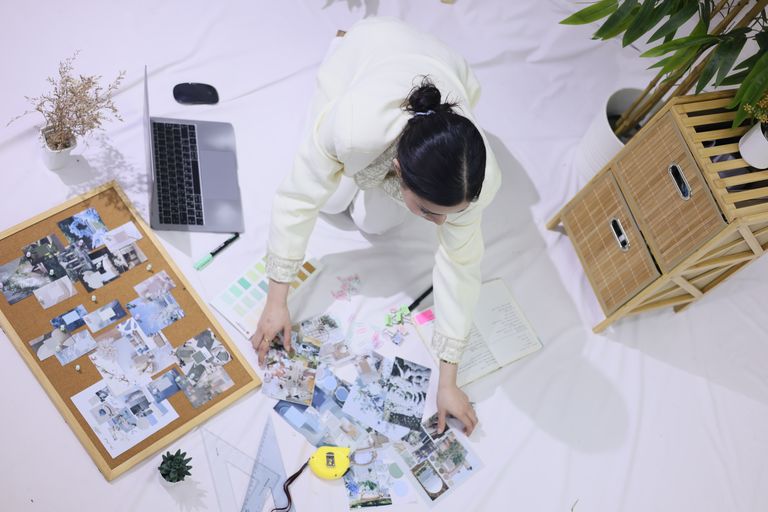
Your dream job becomes easier to pursue when you can describe it, see it, and connect it to a next step. A career vision board gives your dreams a visible place to live, turning abstract ambitions into visual reminders that support focus and motivation.
The strongest boards pair outcome images with process cues. A target title can sit beside a resume milestone, a dream workplace beside a networking habit, and a salary goal beside a skill-building plan. Use the ideas below to create a board that keeps visualization grounded in action.
Define Your Dream Job Before Choosing Images
Define your target role, work environment, career goals, and desired lifestyle before collecting images. Clarity helps you choose visuals that reinforce meaningful professional goals instead of filling your board with attractive but disconnected pictures.
What Does Your Ideal Role Look Like?
Write a one-sentence description of your dream job. Include the target title, industry, responsibilities, team structure, and level of leadership you want.
Then describe the conditions that help you do your best work. You might want a collaborative office, a quiet home office, flexible hours, regular promotion opportunities, or more ownership over important projects. Add words that capture your preferred daily routine, such as “strategic,” “creative,” “client-facing,” or “focused.”
Which Career Goals Matter Most Right Now?
Choose one primary career goal and two supporting goals for the next six to twelve months. Your primary goal could be landing a new role, earning a promotion, or changing industries. Supporting goals might include completing a credential, improving your resume, or building leadership experience.
Write each goal as a result you can track. “Become more confident” becomes “lead one presentation each month.” “Grow my network” becomes “schedule two professional conversations monthly.”
How Will Your Work Support Your Dream Life?
Connect career growth to lifestyle goals such as freedom, travel, family time, creative energy, or a calmer daily routine. If a larger salary supports a future home office or more financial flexibility, include that relationship on the board.
This step keeps your career vision personal. A role that looks impressive may still feel wrong if its schedule, location, or expectations conflict with the life you want.
Career Outcome Vision Board Ideas
Make career outcomes visible through specific titles, workplaces, milestones, and relationship-building cues. These five ideas give your dream job a recognizable destination while keeping your professional goals connected to career growth and community.
Display Your Target Job Title
Place your desired job title in the largest text on the board. Use the exact wording from current job listings so you become familiar with the responsibilities and qualifications employers expect.
Add a smaller line beneath it that names your next proof of readiness, such as “three case studies,” “project management certificate,” or “updated LinkedIn profile.” Save related dream job vision board ideas for wording and layout inspiration.
Feature a Dream Company or Workplace
Add a logo, office detail, team value, or mission statement that represents the company environment you want. Research the organization’s open roles and note recurring skills, software, and experience requirements.
For a career change, use an image that represents the new field along with a transition task, such as interviewing someone in that industry or completing an introductory course.
Visualize a Promotion and Leadership Role
Use a leadership title, project brief, or phrase such as “lead client strategy” to define the responsibility you want. Pair it with a practice cue, including mentoring a colleague, facilitating a meeting, or asking for ownership of a visible project.
This turns promotion imagery into a leadership development plan. You can also include a date for requesting feedback or discussing advancement with your manager.
Add a Resume and Portfolio Milestone
Include a printed resume section, portfolio thumbnail, or checklist showing the asset you need to improve. Mark a specific accomplishment, such as adding two quantified results, publishing a case study, or tailoring your resume to five target roles.
A small “proof of progress” label helps you focus on evidence employers can evaluate.
Create a Professional Networking Cue
Add an image of a conversation, industry event, or professional community beside a repeatable action. Examples include sending one thoughtful message each week, attending a monthly association event, or requesting an informational interview.
Keep the cue visible near your desk or as a phone wallpaper. Networking becomes easier to maintain when you can see the action connected to your career goals.
Skills and Confidence Vision Board Ideas
Use your board to show the skills, beliefs, and creative influences that support your target role. Skill-building images create direction, while affirmations and personal references help you keep practicing when confidence dips.
Make Skill-Building Visible
Choose one image or word for each skill your target role requires. A spreadsheet icon might represent data analysis, a presentation image might represent communication, and a certification badge might represent formal learning.
Attach a measurable habit to each visual. Schedule two study sessions, complete one practice project, or ask for feedback after using the skill at work.
Use Affirmations for Career Confidence
Write affirmations that describe behavior you control. “I communicate my ideas with clarity” gives you a practice target, while “I am ready for every opportunity” offers less direction.
Place one affirmation beside a career action, such as speaking in a meeting, negotiating your salary, or submitting an application. This keeps confidence connected to preparation.
Showcase Intellectual Growth
Include books, courses, research topics, or mentors linked to your professional goals. Select materials that expand your knowledge in the field you want to enter or advance within.
Add a completion marker, such as a reading list with checkboxes or a course deadline. Intellectual growth becomes easier to maintain when the board shows what you will learn next.
Build a Creative Career Inspiration Corner
Reserve a small area for art, photography, music, favorite artists, or personal style that energizes your work. A designer might use typography references, while a writer might include favorite lines and editorial examples.
Connect the creative cue to a deliverable, such as designing a portfolio page, testing a new concept, or publishing a personal project. Inspiration gains value when it leads to visible work.
Money and Lifestyle Vision Board Ideas
Give your career goals financial and personal context through clear money goals, health priorities, and lifestyle images. A balanced board shows what your work should fund and protect, from financial independence to relationships and well-being.
Set a Specific Salary and Money Goal
Write a target salary or monthly income range that fits your desired lifestyle. Pair it with the role level, skills, or negotiation milestone that supports the number.
Add a calculator image, offer letter graphic, or budget category linked to the goal. Use this visual to guide research into market pay and to prepare evidence for future salary discussions.
Map Your Debt-Free and Emergency Fund Goals
Show the financial steps that make a career transition safer. Include a debt-free milestone, emergency fund target, savings tracker, or image representing reduced monthly pressure.
Tie each financial marker to an action, such as automating savings, reviewing expenses, or applying for roles with benefits that support your needs. A job search feels more manageable when your money plan has visible checkpoints.
Picture Financial Independence and Your Dream Home
Use an image of your dream home, real estate goal, home decor style, or ideal home office to represent the life your income should support. Add the career milestone connected to it, such as reaching a salary threshold or building a second income stream.
Financial independence becomes more concrete when you define the monthly amount, timeline, and work decision behind the image.
Protect Health, Relationships, and Well-Being
Include visuals for health and fitness, friendships, relationships, self-care, and rest. A fitness vision board area might feature yoga, meditation, journaling, or specific fitness goals that fit your schedule.
Add boundaries beside these images, such as “no work email after 7 p.m.” or “two evenings for relationships.” Your career plan should leave room for the people, routines, and well-being practices that sustain you.
Create a Board You Will Actually Use
Choose a format, location, and layout that place your visual reminders in your normal path. A poster board near your home office, a Canva design on your phone, or a focused Pinterest board can work when the board remains easy to review and update.
Should You Choose a Physical or Digital Format?
Choose a poster board if tactile work helps you think and you have a visible wall or desk area. Choose Canva for a polished board that works as a laptop background or phone wallpaper, and use Pinterest when collecting references helps you refine your direction.
You can combine formats: keep a detailed digital board and display a smaller physical version with your top goal, current habit, and next deadline.
Where Can You Find Personal Images and Inspiration?
Use personal photos, saved workplace references, printed words, screenshots of job descriptions, and images that represent your desired lifestyle. Browse career vision board pictures for composition ideas, then choose visuals that connect to your own goals.
Canva provides templates where you can upload images, change text, and select a color palette that fits your mood or workspace. Keep the board personal enough that each image has a clear reason for being there.
How Should You Arrange Images, Words, and Color?
Place your primary career goal where your eyes land first. Group supporting visuals into areas such as target role, skills, money, relationships, and well-being.
Use color to separate categories and words to explain images. Leave open space so the board remains readable, then add one action label beside each major outcome. The result should function as a quick decision tool in your home office.
Turn Daily Visualization Into Career Action
Use daily visualization to choose concrete actions for your career goals and professional goals. Your board should prompt applications, networking, skill-building, and personal growth, while also keeping your desired daily routine and life outside work in view.
Match Every Image to a Next Step
Write one action beside every major image. A dream company needs a research task, a leadership title needs a practice opportunity, and a dream destination might need a salary or time-off plan.
You can use small cards that say “apply,” “ask,” “learn,” “publish,” or “follow up.” Replace each card after completing the action so the board records movement.
Use Your Board to Guide a Weekly Career Check-In
Set aside 15 minutes each week to review the board. Choose one career task, one relationship-building task, and one skill-building task for the coming days.
Check whether your daily routine supports the plan. If outdoor adventures, hiking, surfing, dream destinations, or cooking new recipes appear on the board, schedule them alongside work commitments so your goals remain connected to a full life.
Refresh Goals as Your Career Changes
Update the board when your interests, responsibilities, or priorities shift. Replace an outdated title, revise a salary goal, or add a new credential after you gain experience.
Keep completed milestones in a small “progress” area for motivation. Then select the next application, conversation, course session, or portfolio improvement and place it where you will see it during your next planning session.