A family vision board gives your household a shared place to name what matters and decide what to do next. You might use it to picture a calmer home, plan a family vacation, save for a goal, or make more time for one another. The images create focus, while the conversations build clarity and a sense of purpose.
The best 16 Family Vision Board Ideas connect family dreams with small, visible action steps. You do not need artistic talent, expensive supplies, or identical goals for every person. A poster, corkboard, scrapbook, or digital canvas works when each family member has room to contribute and the finished board stays easy to revisit.
How to Create a Family Vision Board That Everyone Owns
You create a family vision board everyone owns by starting with family values, inviting every age group into the choices, and translating shared dreams into trackable actions. A step-by-step family vision board guide with templates can help you organize the conversation before you gather supplies.
Start With Family Values and Shared Dreams
Begin with questions that reveal your shared values: What do you want home to feel like? Which family traditions deserve more time? What dream would bring you closer? Write every answer on index cards, then group similar ideas into themes such as connection, health, adventure, learning, or financial stability.
Let children use drawings, stickers, or a few spoken words. Older kids and adults can add specific goals beside the shared dreams. This process turns goal-setting into family bonding and gives your board meaning beyond attractive pictures.
Give Kids and Adults Equal Space
Reserve a clearly marked area for each person, plus a central space for shared goals. A preschooler might draw a weekly park visit, while a teenager adds a savings target or driver’s education goal. Adults can contribute household priorities without taking over the board.
Ask each person to choose at least one image, phrase, or color. In blended or multigenerational households, invite grandparents and stepfamily members to add goals that affect their time together. Equal space builds teamwork and makes accountability feel mutual.
Turn Big Goals Into Actionable Steps
Pair every large vision with one or two actionable steps. “Family vacation” becomes “compare lodging this month” and “move $25 into the travel fund each Friday.” “Healthier evenings” becomes “take a walk after dinner twice this week.”
Add a due date, an owner, and a simple tracking mark beside each step. Use checkboxes, clothespins, or a row of paper stars. Reviewing those marks gives you useful goal tracking without turning family time into a formal meeting.
Choose a Board Format That Fits Your Family
The best board format matches your family’s space, schedule, and comfort with hands-on projects. Poster board offers a low-cost starting point, a corkboard supports changing goals, and a digital vision board keeps far-flung households connected.
Classic Poster Board Collage
A poster board collage works well for a weekend family activity. Gather recycled cardboard, old magazines, printed photos, markers, glue, and child-safe scissors. Each person chooses a few images and words, then you arrange them around a title such as “Our 2026 Family Goals.”
Leave a strip at the bottom for action steps. Use removable sticky notes for deadlines so you can update the board without rebuilding the collage. A simple family vision board template can also give younger children clear spaces to fill.
Flexible Corkboard or Bulletin Board
A cork board or bulletin board suits goals that change throughout the year. Pin photos, handwritten notes, savings trackers, event tickets, and small envelopes for receipts or coupons. Add colored pins for shared goals and individual priorities.
Place the board near a family command center, kitchen table, or entryway. A visible vision board wall keeps reminders in daily view while allowing you to replace completed goals quickly.
Digital Board With Canva or Pinterest
A digital vision board helps households with limited wall space or relatives who live apart. Use Canva’s online vision board maker to combine photos, quotes, affirmations, and progress labels in one shared file. Pinterest boards can collect inspiration, while a separate checklist records the actions.
Give each family member a color-coded column or folder. Children can select images with an adult, add emojis, or record a short voice note explaining why a goal matters.
Scrapbook and Journal Versions
A scrapbook or journal offers a quieter format for families who enjoy journaling. Dedicate one spread to each family goal, then add drawings, ticket stubs, budget notes, and monthly reflections. This version works well when private personal goals need more room.
Use a two-page pattern: the left page shows the dream, and the right page lists the next action, target date, and progress notes. Keep a shared journal in an accessible spot so family members can add entries when inspiration strikes.
16 Board Themes to Turn Shared Dreams Into Plans
These family vision board ideas work best when each theme includes a visible measure, a next action, or both. Choose two or three priorities for your first board, then add more vision board goals as your household gets comfortable with follow-through.
1. Dream Home and Home Improvement Board
Collect images of the rooms, storage solutions, colors, or outdoor spaces your family wants to improve. Add a small project card such as “paint the hallway,” “repair the fence,” or “create a homework corner.”
Make the goal measurable by listing the estimated cost, materials, and a target weekend. A child can draw the finished room or help check off supply-gathering tasks.
2. Financial Stability and Emergency Fund Board
Use a large thermometer, house-shaped tracker, or envelope system to represent your emergency fund. Add family values connected to money, such as security, generosity, or planning ahead.
Choose one household action, such as reviewing subscriptions or transferring a set amount on payday. Keep private account details off the public board, and let children track a small family savings milestone with stickers.
3. Family Vacation Countdown Board
Turn a family vacation into a countdown with a calendar, destination photos, packing reminders, and a travel-fund tracker. Add one preparation task per person, such as choosing a book for the trip or researching a museum.
Measure progress by completed planning tasks and saved dollars. A child can move the countdown marker each week and add questions for the family to answer before departure.
4. Dream Destinations Travel Board
Create a travel vision board with several dream destinations, then rank them by cost, timing, and family interest. This gives everyone a voice when preferences differ.
Choose one destination to research this month. Record the expected travel season, rough transportation plan, and first saving step so the board guides a decision instead of holding a collection of beautiful places.
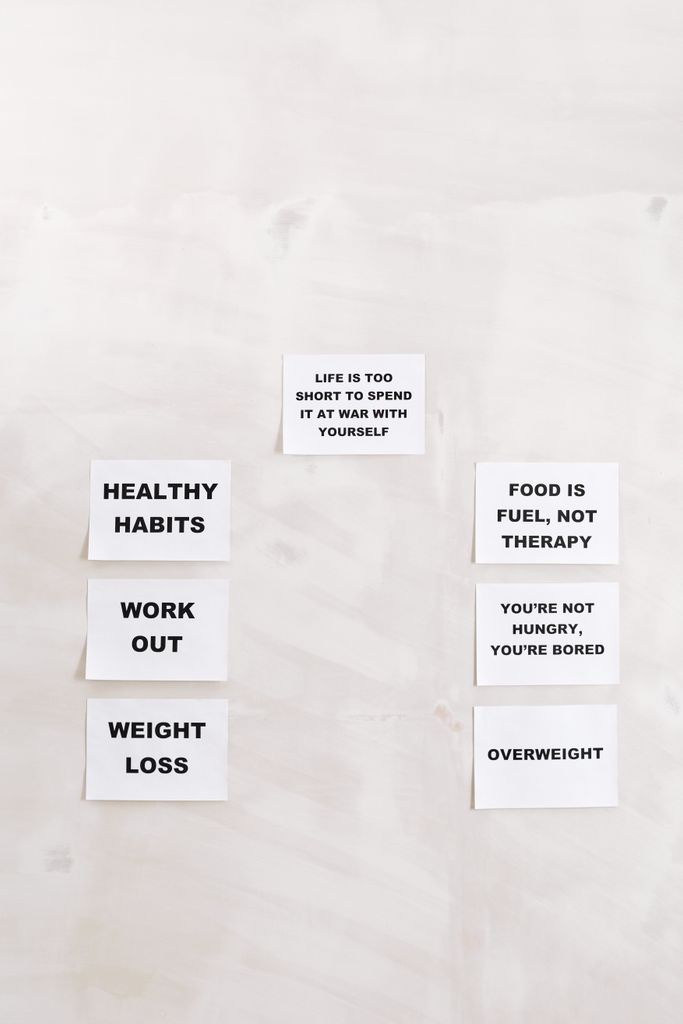
5. Health and Wellness Habits Board
Focus on household habits such as drinking more water, preparing family meals, walking after dinner, or scheduling preventive care. Use icons and short phrases that children can recognize.
Track one habit for four weeks with a simple grid. Assign flexible roles, such as choosing a vegetable, filling water bottles, or marking the family walk, so participation fits different ages and abilities.
6. Better Sleep and Self-Care Board
Build a calmer bedtime goal with pictures of books, dim lights, cozy bedding, or quiet routines. Add a family agreement such as “screens charge outside bedrooms” or “start winding down at 8:30.”
Track bedtime routine completion on school nights. Adults can model the habit, while kids choose a calming activity and place a checkmark after completing it.
7. Fitness Challenge Board
Choose an inclusive fitness goal that accommodates different abilities, from neighborhood walks to stretching, biking, or active games. A mountain path or trail of footprints makes progress easy to see.
Set a weekly target based on participation, such as four active family sessions. Record minutes, laps, or completed outings, and let each person choose an activity to keep the challenge welcoming.
8. Mental Health and Calm Home Board
Use soothing colors, nature images, breathing reminders, and ideas for reducing household stress. Add practical supports such as a quiet corner, a weekly outdoor break, or a family pause before difficult conversations.
Measure the plan through completed calm-home actions. A child might choose a comfort item for the quiet area, while adults schedule the routines and protect their time.
9. Learning New Skills Board
Fill this board with skills your family wants to practice, such as cooking, gardening, sign language, coding, music, or basic repairs. Give each skill a small badge or progress ladder.
Choose a first lesson and a practice schedule. Track completed sessions, finished projects, or demonstrated skills, and invite the family member with the most experience to teach.
10. Personal Growth Spotlight Board
Create individual spaces for personal development goals alongside a shared family intention. One person might read more, another might practice public speaking, and someone else might learn to manage allowance money.
Use a monthly card for each person with one goal, one action, and one reflection prompt. This format supports personal growth while keeping private details within each person’s comfort level.
11. Family Traditions and Quality Time Board
Collect ideas for family traditions, including a monthly breakfast, seasonal outing, game night, or birthday ritual. Add family photos or drawings that show the feeling you want to create.
Put twelve small boxes on the board and schedule one connection activity per month. Mark each completed event with a photo, ticket stub, or short note from a participant.
12. Relationship Goals and Kindness Board
Build relationship goals around how you want to treat one another. Add phrases such as “listen without interrupting,” “notice helpful actions,” or “make time for one-on-one conversations.”
Track kindness through specific behaviors, not points that turn affection into a contest. Family members can add anonymous thank-you notes, then choose one relationship habit to practice during the week.
13. Giving Back and Community Board
Choose a community priority that fits your family’s time and resources, such as a food drive, neighborhood cleanup, library support, or helping an older neighbor. Add contact details and a date for the first activity.
Measure involvement through hours, donated items, or completed service tasks. Children can decorate collection boxes, select age-appropriate jobs, or write thank-you cards.
14. Budgeting and Saving Money Board
Turn budgeting into a visual plan with categories for needs, fun, saving money, and giving. Use pretend dollars for younger children and real category totals for adults and teens.
Set one shared target, such as saving for a picnic, game, or family activity. Update the tracker during a short weekly money check-in and let children suggest one way to reduce spending.
15. Family Photos and Memory-Making Board
Use family photos as prompts for future experiences, not only as decoration. Add ideas such as visiting relatives, learning a family recipe, recording stories, or taking a photo in each season.
Choose a memory-making goal with a date and owner. A grandparent can share a story, a child can interview a relative, and an adult can organize the digital folder or printed album.
16. Couples and Kids Dream Board
A combined couples vision board and vision board for kids gives your household shared space while respecting different stages of life. Divide the board into family dreams, adult partnership goals, and kid-selected hopes.
Agree on which goals need group support and which belong to one person. Add one next step to each zone, such as planning a date night, choosing a family meeting time, or setting aside a creative hour for a child’s project.
Make the Board Personal and Visually Engaging
A personal board uses images, textures, handwriting, and colors that reflect your household’s real life. Keep the design lively enough to invite attention, then leave enough open space for changing shared goals and new action steps.
Use Magazine Cutouts, Stickers, and Family Photos
Choose magazine cutouts that show concrete experiences, such as a packed lunch, walking shoes, a passport, or a tidy shelf. Add stickers for milestones and family photos that connect goals to people you love.
Let children pick images without correcting their artistic choices. A child’s drawing of a camping tent or a colorful sticker path can communicate a meaningful goal as clearly as a polished magazine spread.
Add Affirmations and Handwritten Notes
Use short affirmations that describe an action or value, such as “We make time to talk” or “We save for what matters to us.” Handwritten notes add warmth and let each person explain a goal in their own words.
Write the next step beside the affirmation. “We care for our bodies” becomes “pack fruit for Monday’s snack,” which gives the shared vision a practical starting point.
Create Zones for Shared and Individual Goals
Divide the board into a center zone for shared goals and smaller areas for individual priorities. Use a key with colors or symbols so everyone can read the layout quickly.
Keep personal growth goals optional to share in detail. On a vision board wall, you can place private mini-boards beside the main display when someone needs more room or privacy.
Keep Your Family Vision Alive All Year
Your family vision stays useful when you revisit it briefly, track a few action steps, celebrate progress, and revise goals as family values and circumstances change. A board earns its place through regular use, not through a perfect first design.
Set a Simple Monthly Check-In
Choose a recurring time that already exists, such as the first Sunday breakfast or the last evening of each month. Ask each person to name one completed step, one stuck goal, and one action for the next few weeks.
Update the board while you talk. Move finished cards, refresh savings totals, and assign owners to new tasks. A ten-minute check-in keeps focus and clarity without creating another demanding family obligation.
Celebrate Progress Without Perfection
Celebrate actions that show follow-through, including a completed walk, a thoughtful conversation, or a contribution to the emergency fund. Use low-cost rewards such as choosing dinner, picking the family movie, or planning the next outing.
Leave room for missed weeks and changing energy. Accountability works better when the board helps you restart a goal with a smaller action step.
Refresh Goals as Your Family Changes
Review the board at the start of a new season, school term, or major household change. Remove goals that no longer fit, combine overlapping ideas, and invite every family member to suggest a replacement.
Use the law of attraction as a prompt for attention and intention, not a promise that images alone create results. Keep the picture of the dream beside the next scheduled action, such as making a call, saving money, practicing a skill, or setting a family date.