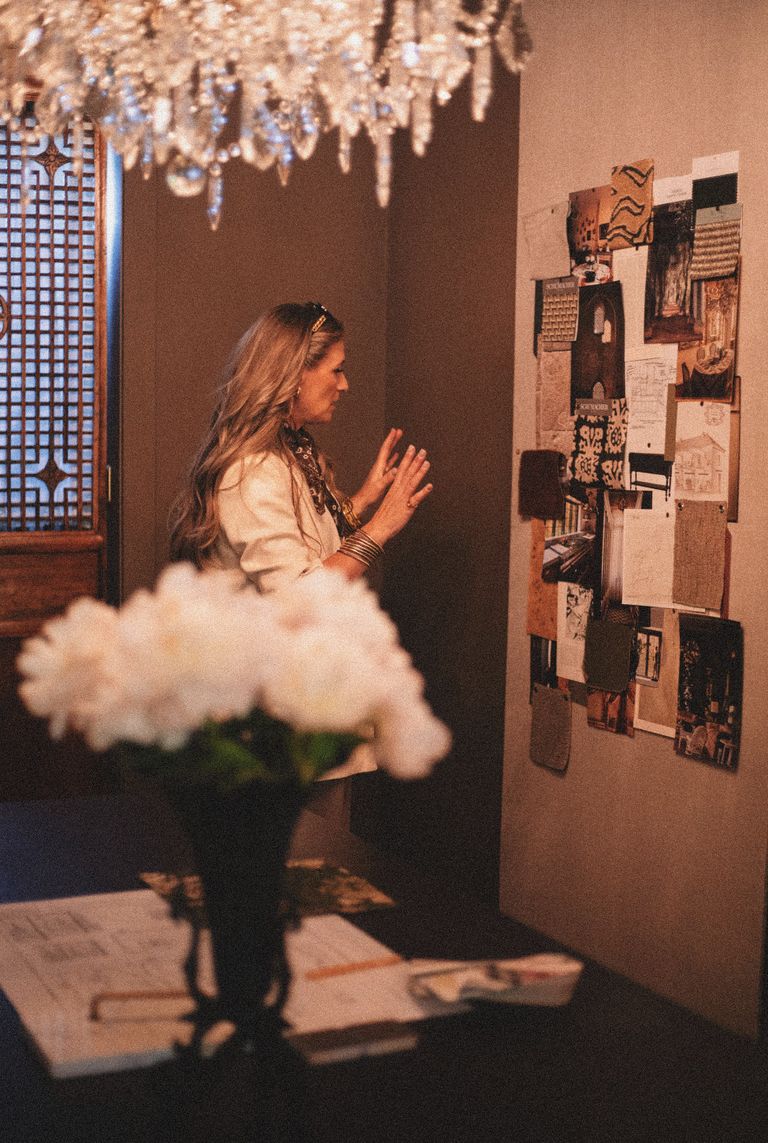
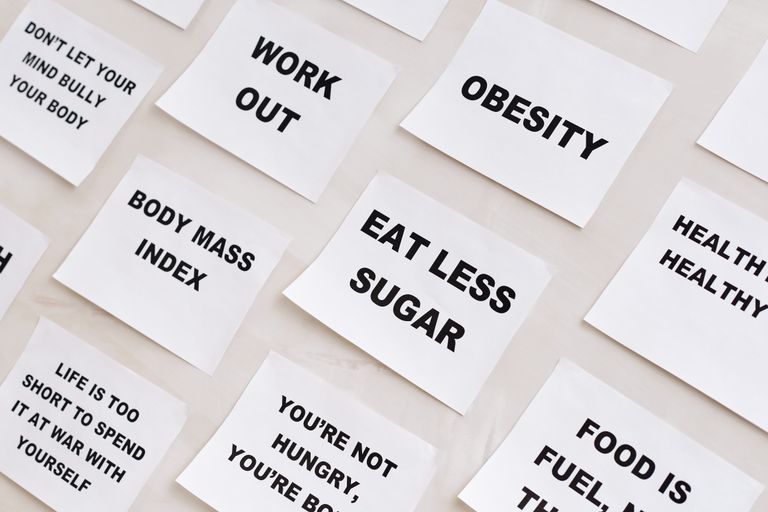
A healthy lifestyle vision board gives your intentions a visible place in daily life. Instead of chasing a perfect routine or appearance-based goal, you can collect reminders of how you want your days to feel: steady, nourished, rested, capable, and connected.
The most useful board turns broad hopes into gentle visual cues. A photo of walking shoes can reinforce a short outdoor break, while an image of a colorful meal can remind you that healthy eating should feel satisfying. Use the healthy lifestyle vision board ideas gathered on Pinterest as inspiration, then choose images that fit your schedule, preferences, body, and budget.
Energy and Everyday Rhythms
A supportive daily rhythm begins with calm energy, a morning you can enjoy, and habits you can repeat through changing seasons. These vision board ideas connect intentional living with small actions that help your day feel more grounded.
Wake Up With Calm, Steady Energy
Choose an image of soft morning light, a glass of water, comfortable loungewear, or a quiet breakfast. Pair it with words such as “ease,” “steady,” or “start gently.”
The feeling to reinforce is spacious energy. Your cue might lead to opening the curtains, drinking water, stretching for two minutes, or sitting without your phone before the day accelerates.
Create a Morning Routine You Look Forward To
Add visuals for one or two morning rituals you enjoy, such as tea, journaling, music, skincare, reading, or a walk around the block. Keep the board connected to your real mornings so it inspires action instead of creating another performance standard.
A phrase like “my morning supports me” reinforces choice and self-respect. If you have limited time, use a small image representing a five-minute ritual that still feels worthwhile.
Make Consistency More Important Than Intensity
Use a calendar with gentle checkmarks, a well-worn pair of shoes, or a row of repeated everyday symbols. These images suggest showing up in manageable ways across the week.
Add an affirmation such as “small steps count.” Your habit cue could be ten minutes of movement, preparing tomorrow’s breakfast, or setting a consistent bedtime. A healthy lifestyle becomes easier to sustain when your board celebrates repetition you can live with.
Movement That Feels Good
Movement belongs on your board as a form of self-care that supports comfort, mobility, mood, and everyday confidence. Select images that show variety, accessibility, and pleasure instead of pressure to look a certain way.
Take Gentle Walks Outside
Look for images of a neighborhood sidewalk, a park path, supportive shoes, or trees in different seasons. Add words such as “fresh air,” “curiosity,” or “unwind.”
The habit this reinforces is a short walk that fits your energy level. You might walk after lunch, explore a nearby path, or spend five minutes outside when stress builds.
Build Strength for Everyday Life
Choose visuals of someone carrying groceries, lifting a light weight, practicing chair exercises, or moving through a strength routine that feels approachable. Include “capable,” “stable,” or “strong for life.”
This idea connects exercise with practical independence. A cue on your board can encourage two weekly strength sessions, a few resistance-band exercises, or movements adapted to your body and abilities.
Use Movement to Release Stress
Add an image of stretching, dancing in a living room, gentle yoga, swimming, or another activity that helps you shift out of tension. The key feeling is relief.
Pair it with “move to feel better” or “breathe and loosen.” When your board links movement with emotional care, you gain a flexible option for stressful days, including a short stretch between tasks or a favorite song before bed.
Nourishing Food Without Restriction
Healthy eating works best when it gives you satisfying food, practical choices, and room for enjoyment. Build this part of your healthy lifestyle vision board around nourishment, flexibility, and a positive relationship with meals.
Make Balanced, Satisfying Meals
Choose images of meals with ingredients you enjoy, such as roasted vegetables, grains, beans, eggs, fish, tofu, fruit, or yogurt. Include a phrase like “fed and satisfied.”
The habit is building meals that provide enough substance to carry you through the day. Use a plate, bowl, or lunch container as a visual cue to include foods that offer flavor, energy, and staying power.
Cook Simple Food at Home
Add pictures of a cutting board, a one-pot meal, a stocked pantry, or a weeknight recipe with a short ingredient list. Words such as “easy,” “warm,” and “made for me” keep cooking approachable.
Your cue might be washing produce after shopping, preparing one flexible base ingredient, or keeping a few reliable meals in rotation. Practical food belongs on your board alongside aspirational recipes.
Practice Mindful, Enjoyable Eating
Use images of a relaxed table, a favorite mug, shared food, or someone savoring a meal. Add “present,” “enjoy,” or “permission to pause.”
This visual reinforces eating with attention and less judgment. You might put your phone aside for the first few bites, notice textures, or check in with your fullness while allowing pleasure to remain part of the experience. A healthy food vision board collection can spark ideas for colors, meals, and words that feel inviting.
Rest, Confidence, and Self-Care
Rest and self-care give your wellness goals a sustainable foundation. Use images that remind you to sleep, pause, and relate to your body with comfort and respect.
Protect a Restful Sleep Routine
Choose visuals of dim lighting, clean bedding, a book, or a phone resting away from the bed. Add “slow down,” “rest is care,” or “ready for sleep.”
The habit cue can be a consistent wind-down sequence, lower evening light, or preparing your room before bedtime. Keep the goal supportive and realistic for your work, caregiving, health, and household responsibilities.
Make Time for Small Daily Resets
Add an image of a bath, a quiet cup of tea, a tidy corner, breathing practice, or a few pages of journaling. The feeling to reinforce is return, giving yourself a way to come back to the present.
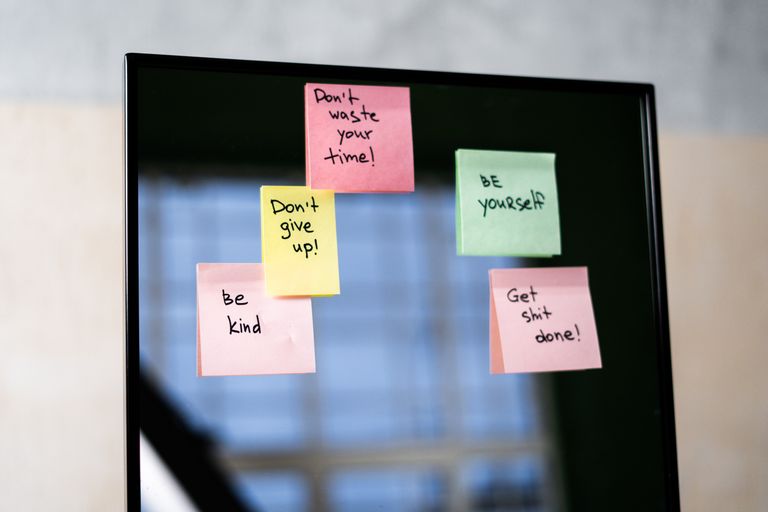
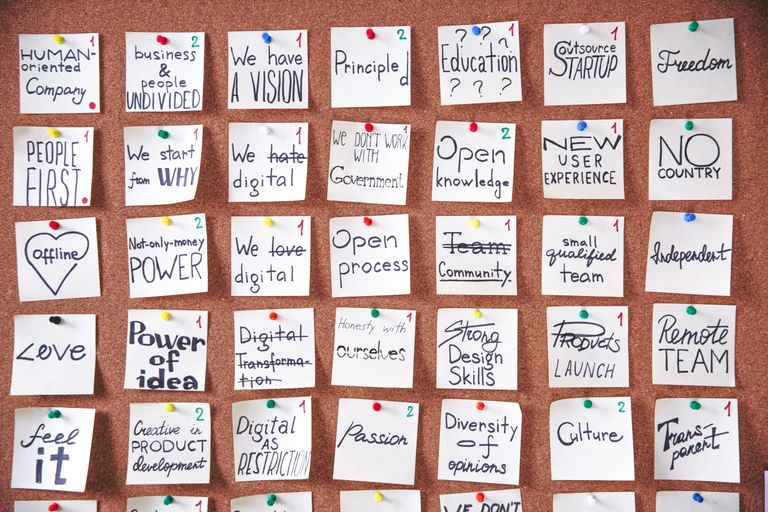
A reset might take five minutes. Place a sticky note on your board with a prompt such as “What would help me feel more settled right now?”
Feel Strong, Comfortable, and Capable in Your Body
Select images that show relaxed posture, adaptive movement, comfortable clothing, or a person engaged in a meaningful activity. Choose language focused on lived experience, such as “at home in my body” or “capable today.”
This idea keeps confidence connected to function and self-trust. Your board can remind you to choose clothes that feel good, notice what your body helps you do, and speak to yourself with patience.
A Home and Life That Support Wellness
Your surroundings influence how easily you rest, eat, move, and connect. Intentional living becomes more practical when your board reflects a home with supportive defaults and room for pleasure.
Design a Calm, Supportive Home
Add images of clear surfaces, warm lamps, comfortable seating, organized food storage, or a small space for movement. Choose one area to make easier, such as your bedside table, kitchen counter, or entryway.
The feeling to reinforce is welcome. A basket for walking shoes, visible fruit, or a ready water bottle creates a gentle prompt without requiring constant motivation.
Spend More Time in Nature
Use visuals of a local trail, a balcony garden, houseplants, a lake, or sunlight through trees. Add “outside,” “notice,” or “breathe.”
Connect the image to a specific habit you can repeat. You might eat lunch outdoors, care for a plant, visit a nearby park, or look at the sky during a short break.
Make Space for Joy and Connection
Choose images of shared meals, creative hobbies, laughter, pets, music, or a favorite community space. These reminders widen your healthy lifestyle beyond routines and checklists.
Add a phrase such as “people and moments that restore me.” A practical cue could be scheduling a call, inviting someone for a walk, or protecting time for a hobby that leaves you feeling more like yourself.
How to Build a Board You Will Actually Use
A useful vision board stays visible, specific, and connected to actions you can take. Choose a few meaningful themes, pair each image with a feeling or habit, and place the finished board where your daily decisions happen.
Choose Images That Reflect Your Real Life
Gather images that feel attainable and personally relevant. Include different body types, abilities, food preferences, home settings, and activity levels so the board reflects the life you want to inhabit.
Search with specific phrases, save images from healthy lifestyle vision board examples, and collect words that describe a feeling. For every image, ask yourself what it should prompt you to do, notice, or remember.
Create a Digital Mood Board or Printable Collage
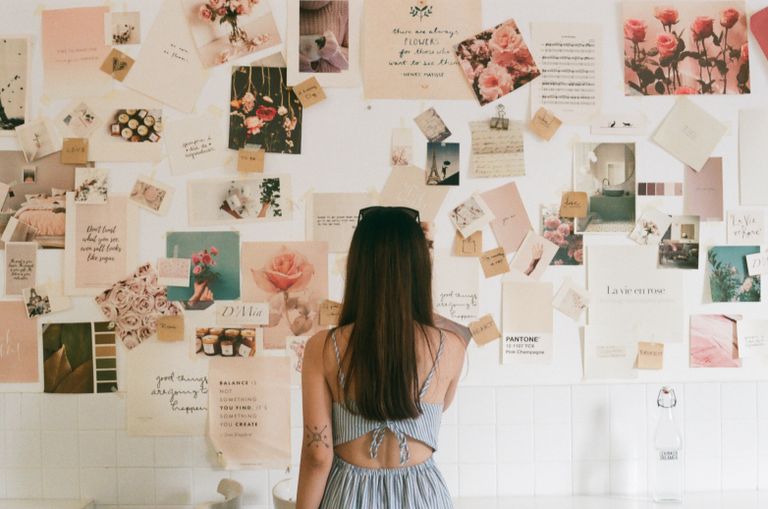
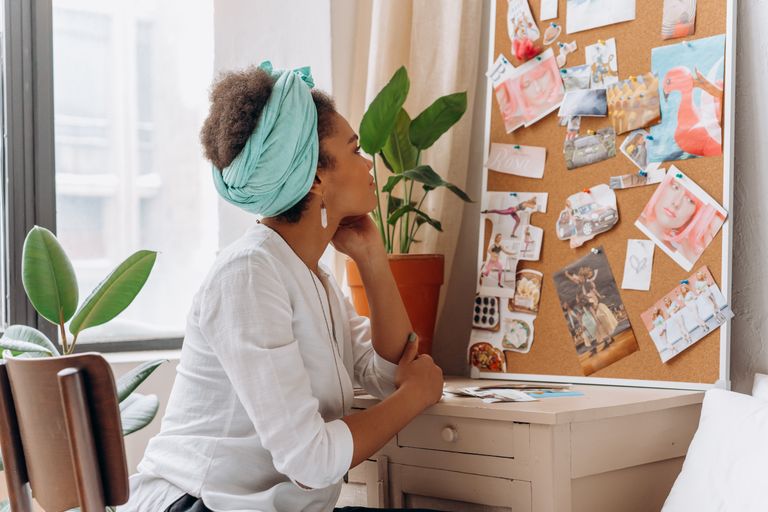
A digital mood board works well as a phone lock screen, tablet background, or desktop reminder. A printable collage gives you a physical point of focus near your desk, dresser, or kitchen.
Use a simple layout with enough open space to recognize each cue. If you build your board on a phone, test autocomplete results carefully and review suggested images before saving; use up and down arrows or swipe gestures to move through options without accepting every recommendation.
Refresh Your Board as Your Priorities Change
Review your board at the start of each month or season. Remove images that create pressure, replace goals that no longer fit, and add reminders for current needs such as recovery, social time, meal preparation, or sleep.
A small refresh keeps your vision board connected to intentional living. Save a few flexible printables, handwritten notes, and images that represent your present routine so the board remains useful when your schedule changes.