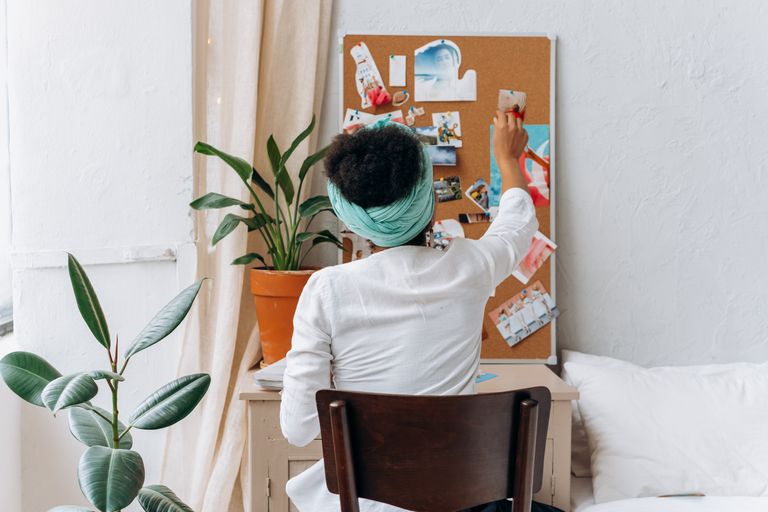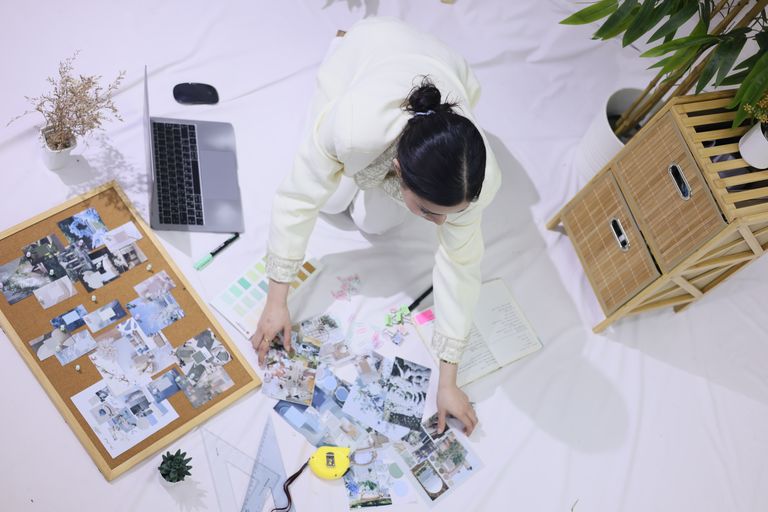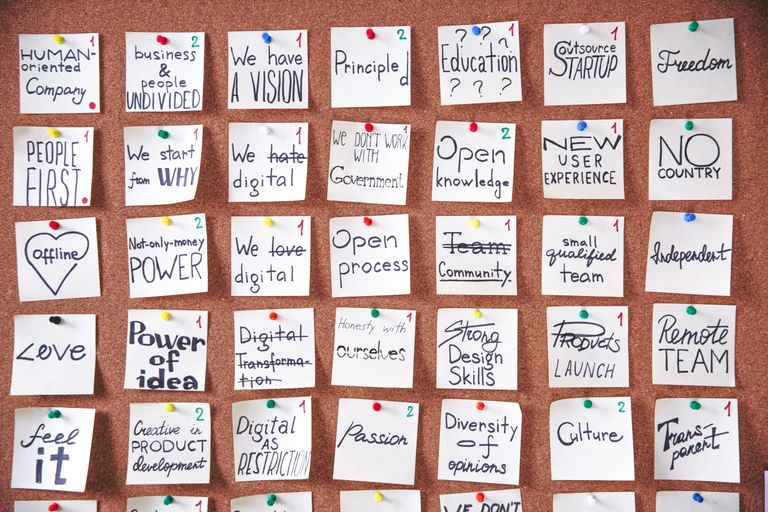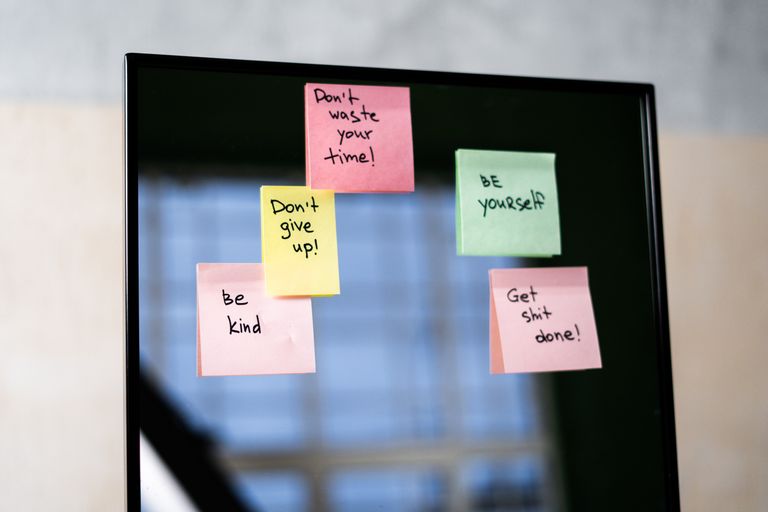
A healthy eating vision board works best when it reminds you how you want to eat in daily life, not how you think you should look. Choose images, phrases, and routines that make balanced meals, regular eating, hydration, and enjoyable cooking feel visible and achievable.
The 13 ideas below cover realistic food goals for busy households, varied budgets, cultural traditions, and different dietary needs. Use the prompts that fit your life, then turn them into small cues you can notice when you plan meals, shop, cook, or reach for a snack.
Set A Clear Food-And-Wellness Direction
Start with a simple theme that reflects your real priorities, such as steady energy, satisfying meals, colorful variety, or calmer evenings in the kitchen. Your board should help you make supportive choices without turning food into a test of discipline.
Choose A Realistic Wellness Theme
Pick one central phrase that feels useful on a busy Tuesday. “Nourish my energy,” “Make meals satisfying,” or “More variety, less pressure” can guide your image choices more effectively than a vague promise to eat perfectly.
Add photos that match your theme, such as a stocked pantry, a family-style dinner, a packed lunch, or ingredients you already enjoy. Include foods that suit your budget and preferences instead of copying an aesthetic that does not fit your household.
Pair Food Goals With How You Want To Feel
Connect eating habits with practical outcomes you care about. You might picture a nourishing breakfast beside words such as “ready for the morning,” or place a simple dinner image near “less decision fatigue.”
Keep the connection realistic. Food can support energy, satisfaction, and routine, while sleep, movement, stress, and medical needs also affect how you feel.
Build Your Board Around Everyday Meals
Use meal images to show what healthy eating looks like in your actual schedule. A mix of colorful ingredients, balanced plates, and simple preparations gives you ideas you can repeat without requiring elaborate recipes.
Colorful Produce Inspiration
Create a produce strip with fresh, frozen, and canned options. Add berries, leafy greens, peppers, tomatoes, carrots, beans, or whatever your household already enjoys.
Use color as a reminder to add variety, not as a rule that every plate must look perfect. Frozen vegetables and canned fruit can make this prompt affordable and practical when fresh choices are limited.
Balanced Breakfast Reminders
Add three breakfast combinations you can assemble quickly. For example, pair oatmeal with peanut butter and fruit, eggs with toast and tomatoes, or yogurt with cereal and berries.
Include a backup option for rushed mornings, such as a smoothie, overnight oats, or a whole-grain breakfast bar with milk. The goal is a reliable start, not an elaborate morning ritual.
Simple Lunch And Dinner Plates
Place photos of meals that combine foods you find satisfying, such as grains or potatoes, vegetables or fruit, and protein-rich ingredients. A rice-and-bean bowl, turkey sandwich with vegetables, tofu stir-fry, or pasta with lentils can all fit.
Add a note that leftovers count. Reusing cooked ingredients across several meals often makes balanced eating easier for busy households.
Make Smart Choices Easy To Visualize
The most useful board prompts translate broad intentions into visible actions. Show what you want to drink, add to meals, and keep available for satisfying snacks.
Hydration Cues
Add an image of a reusable bottle, a glass beside your workspace, or a pitcher in the refrigerator. Pair it with a practical phrase such as “Take a drink when you start a new task.”
Water does not need to be your only option. Milk, sparkling water, tea, and water-rich foods can contribute to your fluid intake, while your needs may vary with weather, activity, and health conditions.
Protein And Fiber Prompts
Create a small pairing guide with foods you already eat. Try beans and rice, chicken and vegetables, eggs and whole-grain toast, cottage cheese and fruit, or tofu and noodles.
These combinations can help meals and snacks feel more substantial. Choose plant-based, vegetarian, or animal-based foods according to your preferences, culture, budget, and dietary requirements.
Wholesome Snack Swaps
Show satisfying snacks rather than forbidden foods. Try popcorn with nuts, fruit with cheese, roasted chickpeas, hummus with crackers and vegetables, or yogurt with granola.
Keep convenience in the picture. A packaged snack can fit into your routine, especially when pairing it with another food helps you stay comfortable until your next meal.
Connect Healthy Eating With Your Lifestyle
A board becomes more practical when it includes the routines surrounding food. Feature preparation, shopping, and cooking cues that reduce friction instead of assuming you have unlimited time or energy.
Meal Prep Motivation
Add images of washed produce, cooked grains, portioned leftovers, or a simple weekly menu. Write one manageable action beside them, such as “Prep two ingredients on Sunday” or “Make enough dinner for tomorrow’s lunch.”
You do not need to prepare every meal in advance. Even chopping vegetables, boiling eggs, or stocking microwaveable grains can make the next meal easier.
Mindful Grocery Shopping
Use a small shopping-list image with categories such as produce, protein foods, grains, dairy or alternatives, and satisfying extras. Include a reminder to check what you already have before buying more.
Plan around your actual week. A flexible list can include budget-friendly staples, quick frozen foods, and ingredients for meals that match your household’s tastes.
Enjoyable Home Cooking
Choose photos that show comfort and ease, such as a cutting board, a simmering pot, or people sharing food. Add phrases like “Cook familiar foods” or “Try one new recipe each month.”
Make room for shortcuts. Jarred sauces, pre-cut vegetables, canned beans, and rotisserie chicken can support home cooking when time is limited.
Add Supportive Mindset Messages
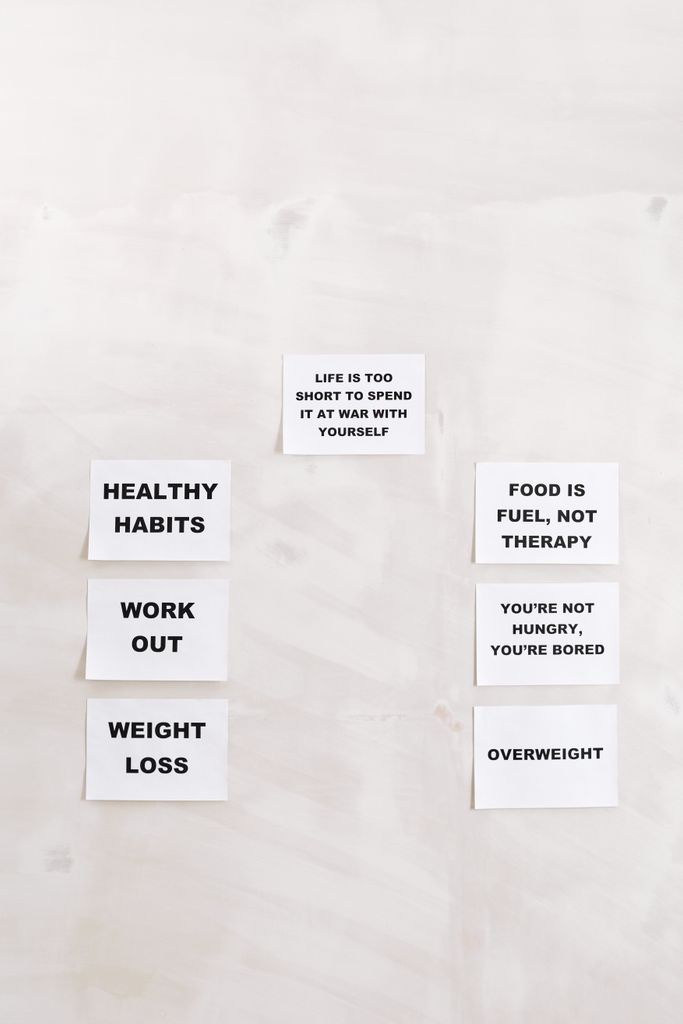
Your words should make room for appetite, culture, enjoyment, and changing circumstances. Place short reminders near food images so the board supports flexible decisions rather than rigid rules.
Progress-Over-Perfection Quotes
Use phrases such as “Small habits count,” “Aim for consistency, not perfection,” or “Add nourishment when you can.” These messages keep one rushed meal from becoming a reason to abandon your routine.
You can also write, “A balanced pattern includes flexibility.” That reminder helps you include restaurant meals, celebrations, and convenience foods without turning them into failures.
Hunger And Fullness Awareness
Add a simple body-check prompt: “What would satisfy me now?” or “Pause and notice.” Pair it with images of meals you genuinely enjoy.
Hunger cues can be affected by schedules, medication, stress, and health conditions. Treat this as an invitation to notice patterns, not a demand to ignore practical meal timing or professional guidance.
Flexible Social Eating Reminders
Include a photo of shared food and a phrase such as “Enjoy the meal and return to your routine.” This can help you approach birthdays, holidays, and restaurant meals with less anxiety.
You do not need to compensate before or after social eating. Choose what sounds satisfying, eat at a comfortable pace, and let the next meal be ordinary.
Turn Inspiration Into Lasting Action
Finish the board with cues that connect inspiration to a specific place and routine. Review it occasionally so the images continue to reflect your current schedule, needs, and preferences.
Place The Board Where Decisions Happen
Hang or display it near your kitchen, pantry, dining area, or home workspace. If you use a digital board, set it as a phone background or save it beside your grocery list.
Keep the most actionable prompts easy to see. A hydration cue belongs near your desk, while meal-prep images may work better on the refrigerator.
Refresh Images As Goals Change
Replace ideas that no longer fit your life. A summer salad can give way to a winter soup, and an ambitious recipe can become a ten-minute meal when your schedule changes.
Review the board every few months and ask which images helped you act. Keep the cues that made eating feel satisfying and manageable, then update the rest without treating change as a setback.