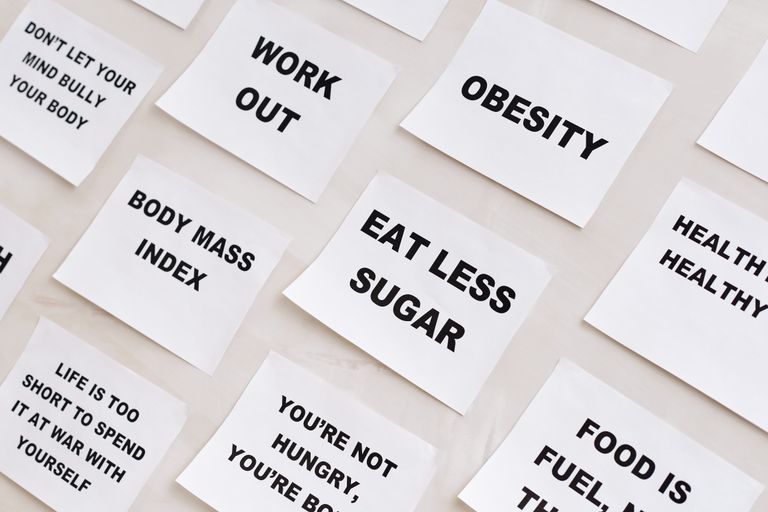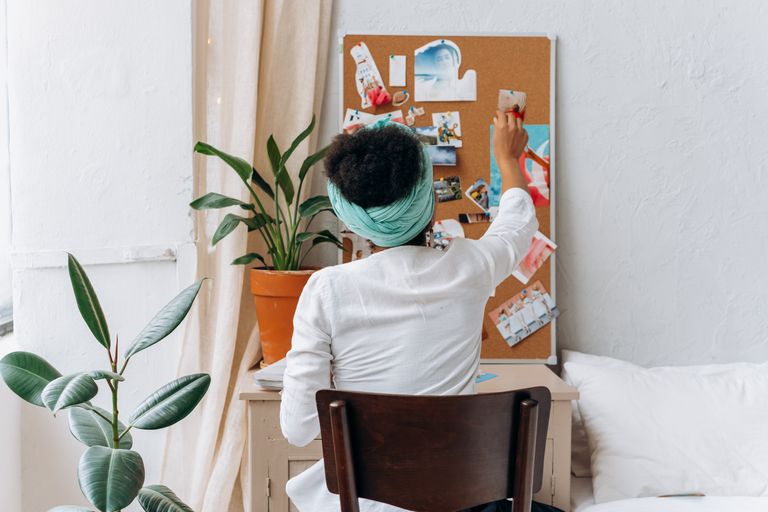
A vision board gives your goals a visible place to live. When you pair meaningful images with a clear time frame and a practical next step, you create a daily cue for attention, motivation, and follow-through.
The best vision board ideas to manifest your goals do more than display dream homes, travel photos, or inspirational quotes. They help you picture the person you are becoming, notice relevant opportunities, and turn inspiration into a routine. Your brain’s reticular activating system can help filter attention toward what you repeatedly consider important, yet your actions still create the progress.
1) The 90-Day Future-Self Vision Board
Choose up to three priorities for the next 90 days, such as applying for jobs, saving money, or improving your fitness. Build one focused board around the daily life of your future self, not just the final outcomes.
Include an image of the kind of workspace you want, a calendar showing the quarter, a phrase describing your identity, and one visual reminder of each measurable goal. Add a small action list: submit two applications weekly, save $200 per paycheck, or walk four days a week.
Review the board every Sunday and mark evidence of progress. A 90-day horizon feels urgent enough to prevent procrastination while giving you time to build meaningful momentum.
2) The Nine-Scene Dream Life Grid
Divide a square board into nine scenes representing different parts of your desired life. You might include career, money, home, health, relationships, travel, learning, creativity, and rest.
Choose specific moments rather than vague symbols. A calm morning beside a bright window can represent your ideal routine, while a small group around a dinner table can capture the connection you want to cultivate.
Write one behavior under each scene. Schedule a weekly friend call, complete one course lesson, or transfer a set amount to savings. The grid helps you notice whether one area receives all your attention while another quietly needs care.
3) The iPhone Lock Screen Vision Board
Turn your phone into a compact visual reminder by creating a lock screen collage with three to five images. Select visuals that feel personally relevant, such as a running route, a destination, a debt-free note, or a peaceful desk.
Keep the design uncluttered so the time and notifications remain easy to read. Add a short phrase that reminds you how you want to act today, such as “steady and prepared.”
Each time you unlock your phone, take one breath and name the next action connected to the image. Send the email, drink water, review your budget, or practice five Spanish words. The board works best as a prompt, not a substitute for doing the work.
4) The One-Goal Career Promotion Board
Build this board around one specific professional outcome, such as earning a promotion, changing roles, or leading a major project. Include images of the responsibilities, environment, and confidence associated with that role.
Add evidence of readiness: a completed certification, a polished presentation, positive feedback, or a leadership meeting. These details make the goal feel concrete and show you what to prepare.
Write a 90-day career action plan beside the visuals. You could request feedback, document three accomplishments, volunteer for a visible project, and schedule a career conversation with your manager. Let the board remind you to behave like a prepared candidate today.
5) The Dream Home Zillow And Pinterest Board
Combine practical listings from Zillow with design inspiration from Pinterest. Save examples of the neighborhood feel, floor plan, natural light, storage, and features that matter most to you.
Separate must-haves from attractive extras. Add a target price range, estimated monthly payment, preferred move date, and a savings milestone. This keeps the board connected to affordability rather than turning it into a collection of unrealistic interiors.
Use the board during a weekly home-planning session. Compare listings, research down-payment options, improve your credit habits, or transfer money into a dedicated account. Your dream home becomes more useful when the images guide decisions.
6) The Japan Travel Vision Board
Create a travel board that captures both the feeling and logistics of your Japan trip. Include Tokyo streets at night, Kyoto temples, regional food, rail travel, seasonal scenery, and a quiet moment that reflects how you want the trip to feel.
Add a small planning strip with a target month, estimated budget, passport reminder, and savings goal. You can also mark two experiences you genuinely want, such as a tea ceremony or a day trip to Nara.
Choose one travel action each week. Compare flight prices, save a fixed amount, learn basic Japanese phrases, or research neighborhoods. Specific planning turns a beautiful destination collage into a realistic itinerary.
7) The Financial Freedom Number Board
Make financial freedom visible with a board built around numbers and the lifestyle those numbers support. Include your target emergency fund, debt balance, monthly investing amount, and a clear definition of freedom, such as working fewer hours or having six months of expenses saved.
Pair spreadsheets or handwritten figures with images of calm, flexible days. A laptop beside a cup of coffee may represent remote work, while a paid-off statement may symbolize reduced pressure.
Choose one weekly money habit, such as reviewing spending every Friday, automating savings, or paying an extra amount toward debt. Update the numbers monthly so your board reflects real progress instead of wishful thinking.
8) The Wellness Routine Vision Board
Focus on the routine that supports your health rather than an idealized body. Use images of nourishing meals, comfortable movement, restful sleep, sunlight, and a tidy space where you can reset.
Add simple targets that fit your life: seven hours of sleep, three strength sessions, two home-cooked dinners, or a daily walk. Select images that make the routine feel inviting, not punishing.
Place the board near your bedroom, kitchen, or workout area. When you see it, complete the smallest available action. Fill your water bottle, stretch for five minutes, prepare tomorrow’s breakfast, or set a consistent bedtime alarm.
9) The Relationship Values And Date-Night Board
Create this board around the qualities and experiences you want to practice in a relationship. Include images of honest conversation, laughter, affection, shared meals, teamwork, and personal space.
Write five values in plain language, such as reliability, curiosity, kindness, playfulness, and respect. Avoid presenting another person as a possession or treating a relationship as a guaranteed outcome.
Connect the board to one relationship habit each week. Plan a phone-free dinner, ask a deeper question, express appreciation, or make time for a friend. Your vision becomes grounded when it reflects how you intend to show up.
10) The Skill-Mastery Board For Learning Spanish
Design a Spanish-learning board with images that represent real use: ordering tacos, speaking with a neighbor, reading a menu, traveling, or watching a favorite show without subtitles.
Add a specific milestone, such as completing an A2 course, holding a five-minute conversation, or learning 500 useful words. Include a tracker with small boxes for daily practice.
Choose a repeatable study rhythm, such as 15 minutes of vocabulary each morning and one conversation session each week. Place the board near your desk or use a phone version to prompt practice. Progress will come from frequent exposure, not from the collage alone.
11) The Vision Board With Personal Photos
Use your own photographs to connect future goals with memories, strengths, and identity. Add a picture of you finishing something difficult, traveling, presenting, laughing with people you love, or enjoying a peaceful ordinary day.
Around those photos, place images of what you want next. The contrast between past evidence and future possibility can make an ambitious goal feel more believable.
Write captions that describe transferable qualities, such as “I follow through,” “I ask for help,” or “I make room for joy.” Choose one quality to practice during the week and record a small example of it.

12) The Habit Tracker And Affirmation Board
Combine visual motivation with a simple habit tracker. Choose one to three habits connected to your goals, then display a monthly grid where you can mark completed actions.
Add affirmations that describe behavior you can practice, such as “I keep promises to myself” or “I make thoughtful money decisions.” Avoid statements that feel so unrealistic they create resistance.
Keep the tracker visible and mark it immediately after completing the habit. Review patterns each week without treating missed days as failure. Adjust the habit until it fits your schedule, then restart with a clear next action.
13) The Seasonal Autumn Reset Vision Board
Use autumn’s quieter, cozier energy to reset before the year ends. Include warm colors, organized spaces, nourishing meals, books, outdoor walks, and images of the goals you want to carry into winter.
Choose three seasonal priorities, such as decluttering your home, completing a class, or rebuilding your morning routine. Add deadlines and a short list of weekly actions.
Keep the board near your entryway or workspace. Review it at the start of each month and remove images that no longer fit. A seasonal board works well when it reflects your current capacity rather than an idealized version of your life.
How To Make A Vision Board That Leads To Action
Choose A Clear Time Horizon
Give your board a defined window, such as 30 days, 90 days, or one season. A time horizon helps you decide which images belong there and prevents a crowded collection of every goal you have ever considered.
Limit the board to a few priorities. Three focused goals usually create more useful attention than twenty unrelated wishes.
Use Images That Create A Strong Emotional Response
Choose images that make you feel calm, energized, curious, or capable. A generic luxury image may look attractive, yet a photograph of your ideal morning routine can create a more personal connection.
Include sensory details, familiar environments, and words that sound like you. Emotional resonance makes the board easier to remember and more likely to influence your daily choices.
Add Measurable Goals Alongside Visuals
Pair every major image with a number, date, frequency, or milestone. “Better health” can become three walks per week, while “financial freedom” can become a $1,000 emergency fund.
Use a small tracker, checklist, or progress bar. Your vision board remains inspiring while giving you visible proof that your actions are adding up.
Place It Where You Will See It Daily
Put a physical board near your desk, closet, or coffee station. For a digital board, use your phone lock screen or a private photo album.
Visibility matters because repeated cues can guide your attention toward relevant opportunities. Keep the board attractive enough to notice and simple enough to read in a few seconds.
How To Use And Refresh Your Vision Board
Review It For Two To Five Minutes Each Day
Look at the board without rushing. Notice the images, imagine one ordinary moment in that desired life, and ask what your future self would prioritize today.
Keep the review brief and consistent. A morning glance or evening check-in is more useful than an occasional hour-long session that is difficult to maintain.
Pair Visualization With One Small Daily Action
After reviewing the board, choose one action that takes 15 minutes or less. Send a message, open your course, transfer money, prepare your gym clothes, or write the first paragraph.
This pairing keeps visualization grounded in personal agency. The board can shape your attention, while repeated action creates the results.
Update Images And Goals Every 90 Days
Set a quarterly refresh date. Remove goals you have completed, replace images that no longer feel relevant, and revise targets based on what you learned.
Keep meaningful evidence of progress, such as a certificate, savings milestone, or photograph from a completed trip. Your vision board should reflect both the future you are building and the capabilities you have already developed.